


Editor’s Note: You may notice a new look and name for this here publication. We are changing some things to prepare for some big things to come. I was inspired by last week’s article and what a decanter can do for you. It can open the wine and make you taste, smell, and feel things that you didn’t know were there. That’s what I hope you get out of this newsletter and larger brand. So, we are now Decanted. So much more to come. But, in the meantime, please keep reading, sharing, and commenting. It means so much to me. Now, on to our regularly scheduled reading…
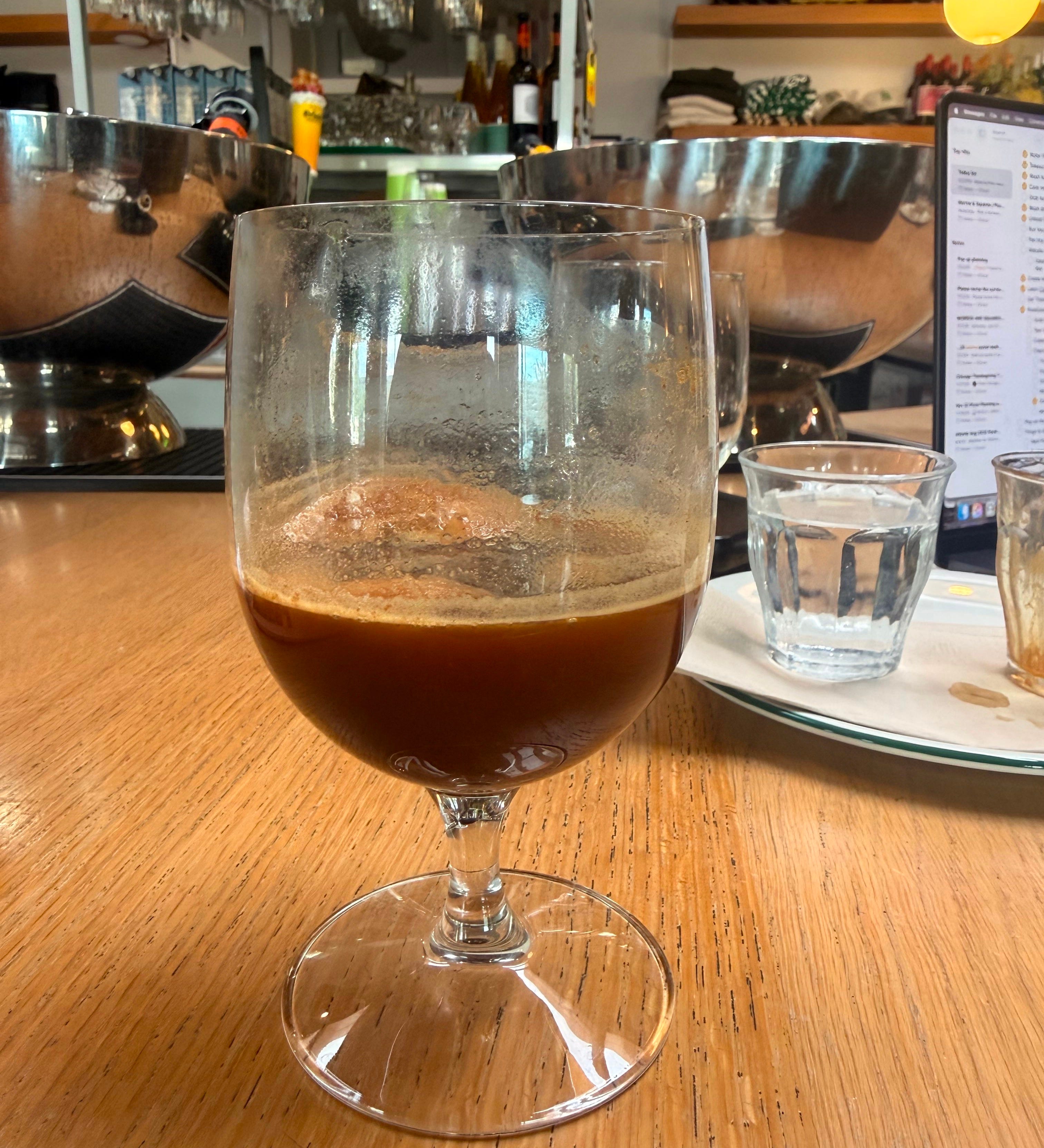
A few weeks ago as I was scrolling I saw a video of a bartender pouring espresso into a flute of Champagne, they coined it “Champresso.” I immediately balked and said: “NO.” But, I was bullied into trying it. My friend and I were having a co-working day at Highly Likely in West Adams, they were kind enough to make it for us ($20), one exception, they only had Prosecco. I won’t keep you in suspense, It was awful, 0/10 - do not recommend. I wanted my money back. The (HOT) espresso completely took over the prosecco and it became something that resembled a warm stout beer. You could no longer taste the prosecco at all. It was just not good. To be fair, my friend added some sweet syrup to it and proclaimed it was then delicious, I still didn’t agree.
Here’s the thing, I don’t like cocktails. I like wine, I like martinis, and I like water. There is no in between for me, ok maybe a negroni (but the inconsistency!). Overall, cocktails always feel overdone, too sweet, and impossibly syrupy to me. Even my beloved margarita has faded in my life since I moved to LA, no one can do it like NYC’s Blockheads (RIP). But, I’ve been trying to expand my horizons, so this week, let’s discuss good wine cocktails. For those of you like me that can’t drink another sugar bomb, but like you’re wine with a little extra kick.
Regional Spotlight: Five Weeks of Georgian Wine - Kakheti
Before we journey down the wine cocktail road, let’s make a pitstop in a place that deserves more praise for their winemaking: Georgia.
I love Georgian wine. There’s just something about it. It’s fresh, there’s a distinct taste and texture, and it’s rarely found on menus making it a surprise every time I spot it. So, just like South Africa a few weeks ago, we’re going on another adventure. This time into the regions that make Georgian wine what it is today.
We’re going to start with the heartland of Georgia’s winemaking, Kakheti. This represents one of the world’s great wine regions where ancient winemaking tradition is still alive, and where the wines range from textured amber whites to deeply colored reds.
Speaking of ancient, Georgian winemaking is very old, dating back to 6000 BC, this would make it the first to do it. Archeologists found pottery shards 8000 years old showing that they were fermenting grapes long before anyone else. And it’s still a part of their culture today, with winemakers returning to that very pot - called the qvevri. It’s a large, egg-shaped clay vessel used to ferment, age, and store wine. Traditionally, it’s buried in the ground, where the surrounding earth helps moderate temperature.
Within Georgia, the region you are likely to come across first is Kakheti, located in eastern Georgia, sitting on the mountains dividing Europe and Asia (Caucasus Mountains). It’s a broad region, with varied soil, sun exposure and elevation. They also don’t exclusively use the qvevri in this region, so basically, it’s not a monolith but you will be tasting something different than you typically have in your glass. And the biggest reason why are the grapes, all of Georgia (especially Kakheti) use mostly indigenous grapes for their wine. Here are some of the most important to know according to Georgia’s National Wine Agency:
Rkatsiteli: One of Georgia’s most widely planted white grape varieties. They are fresh wines with citrus and apple notes, but after extended skin contact time in the qvevri, they become golden and more structured with notes of honey and spice.
Saperavi: Kakheti’s signature red and a very important grape for Georgia. These inky reds have notes of dark berry, black cherry, and they have equal parts acid and tannin.
Mtsvane Kakhuri: Their aromatic white grape! Aromas of white peach, citrus and tropical fruit, it’s often blended.
Kisi: Another white grape that is known for being very expressive, but after time in the qvevri can be very textured, one of my favorite parts about Georgian wine.
I would start here on your Georgian wine journey. It’s a completely different wine experience to me and it all comes down the qvevri, it turns a lot of those white wines into amber/orange wines that are full of flavor. When I was in Italy last month I went to a vineyard that was testing fermenting wine in the qvevri, I have a feeling it’s only going to get more popular. Also, most Georgian wine is natural (I know, I know), but their take on natural has a level of refinement that I’m comfortable with and love. As we know, “natural wine” is very loosely defined.
Here are some Kakheti producers to look for next time you are at the wine shop:
Pheasant’s Tears: They are a major player in the international Georgian wine game, and make some incredible single varietals.
Tchotiashvili: Their traditional approach is paramount to their brand. It’s a good opportunity to taste the texture I was mentioning.
Teliani Vineyards: They might be the easiest to find since they recently expanded into California with their first US warehouse. They aren’t known for being the most traditional, but you gotta start somewhere.
Cradle of Wine: Georgian wine is more known for its white/amber/orange, but Saperavi is worth checking out, and apparently they make a great one.
Wine in Culture: Wine Cocktails
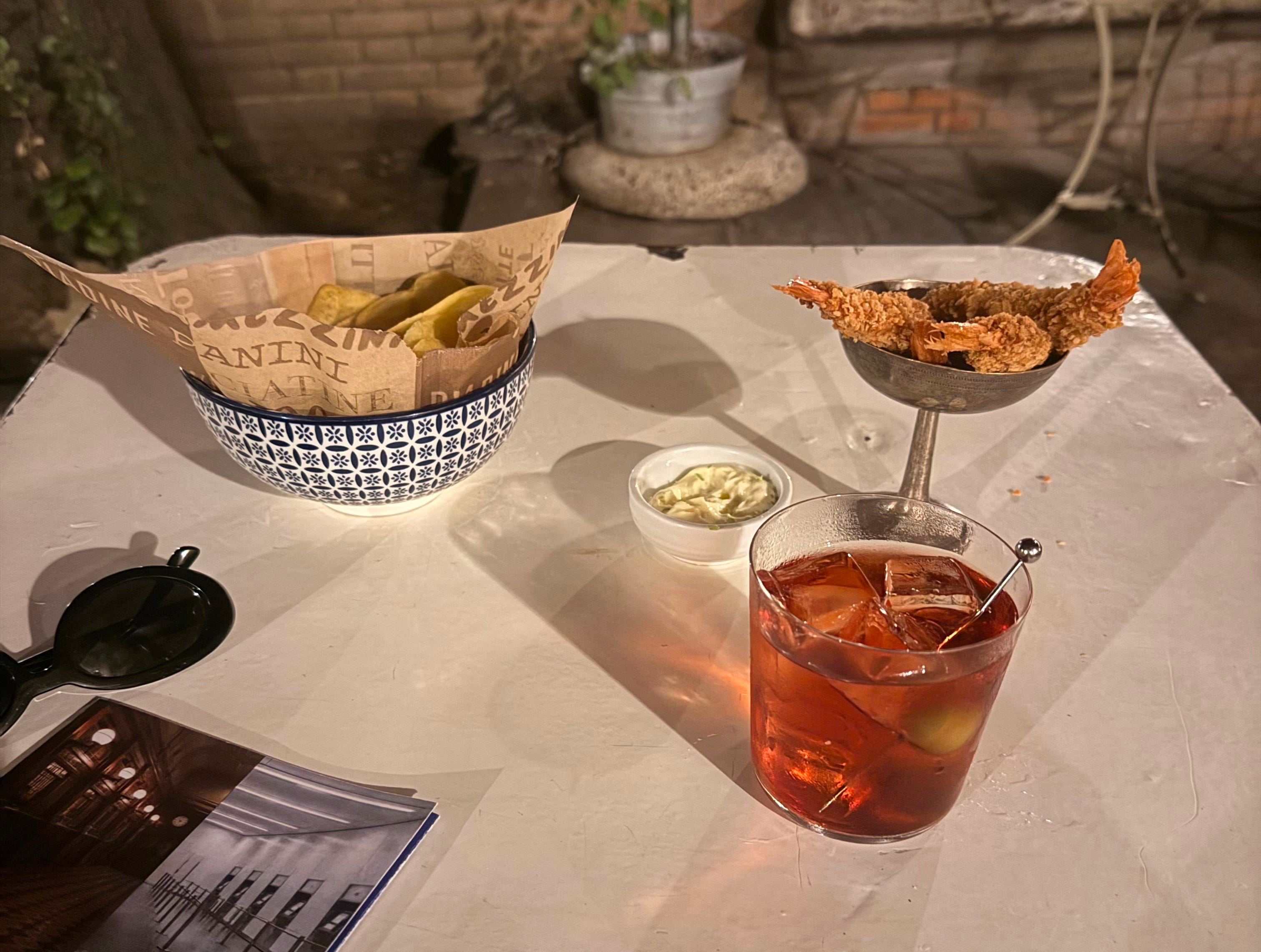
I first got introduced to wine cocktails from my grandmother (nana). She loved a white wine spritzer. She would go into her fridge, grab a bottle of white wine (usually Chardonnay) and fill it almost to the top of glass and then she would top it with just a dash of club soda. I thought it was so bizarre back then, now I absolutely love it (with a few additional ingredients). Years later while living in NYC, I adopted her 3 parts wine to 1 part soda or juice, but with “Champagne” and orange juice. These were the bottomless mimosa days. Those brunches almost killed me. But, here’s the thing, wine cocktails are amazing, they have just gotten a very bad rap. And, things like “Champresso” aren’t helping. The best cocktails allow the wine’s flavors to still be a part of the experience, they enhance the wine instead of concealing it. So, let’s re-write the script on wine cocktails, here are some that I think are worth your time.
Before we get to the list. Let’s start with a few of my personal guardrails:
Use wine you actually like: Do you enjoy drinking Yellowtail? No? Don’t try it in your cocktail.
A few days old? No problem: I actually think it’s a flex to use wine that is a little past its prime. Taste it first, not at its best, but still has all the qualities you loved about it? Use it!
Maybe skip the simple syrup: All of my recipes are tried and true and don’t have any added sweetness. I really don’t think you need it, but if that’s your thing, do it! Some liqueurs/sodas have a little bit of added sugar already, I use them sparingly.
Sub juice for the real thing: Why use juice when you have lemons and oranges at home? Squeeze them!
I think wine cocktails belong in three distinct categories: White, Sparkling, and Red. Let’s go through each one.
White Wine Cocktails
With these cocktails, we’re going to preserve the wine’s freshness, aromatics, and minerality, no simple in sight.
The White Wine Spritz (Thanks, Nana)
Ingredients: Ice, dry white wine, club soda, lemon peel, fresh herbs
Instructions: Let your ancestors tell you when to stop pouring the white wine, my Nana always tells me to add just a pinch more. I also like to microplane a little lemon zest on top, and crack the herbs before dropping them in.
Taste: It’s refreshing, like a La Croix with pizazz.
Cucumber Cooler
Ingredients: Ice, dry white wine, club soda, cucumber slices, basil leaves
Instructions: If you really want to be fancy, slice your cucumbers the long way and line the glass, don’t muddle or things will turn bitter, and don’t overdo it on the lemon juice.
Taste: Like you are on an expensive cruise.
White Wine & Fino
Ingredients: Ice, dry white wine, fino sherry
Instructions: Just use a dash of fino.
Taste: Savory and saline
Bicicletta
Ingredients: Ice, dry white wine, club soda, Campari, lemon or orange slice
Instructions: Again, let your ancestors guide you, I always go light on the Campari.
Taste: Bitter and crisp, like you are sitting on the dock in Lake Como
Honorable Mentions:
Rosé Paloma: Rose, grapefruit soda, squeeze of lime, garnish with grapefruit
White Port & Tonic: Combine those babies, garnish with mint if you have it
Sparking Wine Cocktails
Mimosas have ruined us. They certainly have ruined me. We deserve better. And no, I don’t think that’s just an Aperol spritz, but I have been guilty of having a few in weak moments. With these cocktails we’re keeping the bubbles, the acid, and the precision of sparkling wine in tact, we’re just giving it a little more of an alcoholic bang for its buck. Use any sparkling that you like, I especially enjoy Cava when making sparkling wine cocktails.
Refined French 75
Ingredients: Ice, shot of gin, fresh lemon juice, brut sparkling wine, the smallest amount of agave (maybe half a spoon)
Instructions: Shake the gin, lemon, agave and ice first, put it into a glass without ice and top it with sparkling. I have also used this with a demi-sac sparkling and skipped the agave.
Taste: Botanical and clean, it can make you feel very rich
Sparkling Bitters
Ingredients: Brut sparkling, aromatic bitters, lemon twist
Instructions: Skip the ice on this one, just build with cold sparkling.
Taste: It’s like spicy sparkling wine
Dry Vermouth Sparkler
Ingredients: Brut sparkling, vermouth, twist of lemon
Instructions: Drop a little vermouth into your sparkling wine and add a lemon twist.
Taste: Herbal and crisp, reminds me of a martini (which I love)
Elderflower Sparkler
Ingredients: Brut sparkling, a little elderflower liqueur of your choosing, dash of lemon juice, twist of lemon
Instructions: Pour in the elderflower liqueur and dash of lemon juice first and then top it with sparkling. Use a chilled glass!
Taste: floral and citrus, you will feel like all your problems are meaningless
Honorable Mention
Kir Royale: Sparkling wine with blackcurrant liqueur (can be sweet!) and a lemon peel
Red Wine Cocktails
Sangria is a gift from God, but sometimes it leaves me feeling heavy and I can barely taste the wine. With these we are keeping the red wine at the forefront, but giving it a little boom pow. Note: tannins will ruin your cocktail, go for low tannin options like Gamay, Pinot Noir, Cinsault.
Tinto de Verano/Red Wine Spritzer
Ingredients: Ice, chilled red wine, club soda, fresh lemon juice, lemon or orange peel
Instructions: As always, let your ancestors guide you. This is very similar to the white wine spritzer, but I had this in Barcelona and loved it, go easy on the lemon juice, but big on the slices.
Taste: Light and airy, like you are summering in Spain
Red Wine & Bitters
Ingredients: Ice, chilled red wine, aromatic bitters, orange peel
Instructions: Pour the wine over ice first and then bitters on top, twist that peel on top. If you are feeling it, add a dash of bourbon.
Taste: It resembles an old fashioned without the syrup texture
New York Sour
Ingredients: Ice, dry red wine, fresh lemon juice, bourbon
Instructions: The traditional recipe calls for simple, but I used Beyonce’s Bourbon and that was sweet enough. Shake the bourbon and lemon and pour it over ice, let the red wine be a floater on top.
Taste: Tangy, but also makes you feel like a real housewife (“today drained me”)
Honorable Mention
Kalimotxo (Calimocho): This may come as a shock, but my favorite thing is combining red wine and diet coke with a lemon slice. It makes me feel like a kid again and no matter how old I get, I’ll always love it. Traditionally, it’s made with Coca-Cola, but I can’t go out like that. Try it. Trust me. Remember, three parts red wine to one part diet coke.
What’s in My Glass: 2020 Opaque Darkness
Last week, while I was doing some research on the benefits of decanting wine, I pulled this red blend from my wine fridge. I had purchased it on a recent trip to the Santa Anna winery a few months ago. If you recall, this was a winery shockingly owned by Stella Rosa. But, here’s the thing - this wine is good (90 points!).
LA’s weather took a dramatic turn in the last week, from sweltering hot to very chilly in the matter of a day. It was a Sunday, I wanted to stay home all day and make soup in my sweats. So, that’s what I did (with a few short excursions), and this wine could not have been a more perfect companion. It’s a full body blend with Zinfandel, Primitivo, Petite Sirah and Petit Verdo. The grapes feel very concentrated, you’re tasting lots of black cherry and ripe plum, but also notes of dark chocolate, espresso, and even a little hint of tobacco. It’s aged in American oak, so you’re getting a lot of coconut on the nose and on the tongue. It’s a dosey too, just under 15% abv, so be careful. But overall, it’s a cozy wine with a lot of character and flavors galore. It’s the type of wine that you can snuggle on the couch with after a bowl of soup, and that’s exactly what I did.
I see they are selling the 2022 online, I would highly recommend decanting that one if you aren’t getting all the same flavors. Cheers!
I’m also slowly moving away from my love affair with the espresso martini. The inconsistency in how they’re made creates way too much anxiety when ordering one. They can fall anywhere between downright awful and absolutely delicious...and let’s face it, who really wants to send a drink back to the bartender? They don’t always take kindly to that kind of behavior. 😂
I may just have to become a wine lover too! 🍷 And I love how you paid homage to your ancestors for the inspiration. ❤️