Since I started this newsletter almost 20 weeks (!) ago, I haven’t taken one single break. And yes, I calculate how old my Substack is by weeks, she’s my baby. Last week, I was doing my final of three weeks of travel and I was utterly exhausted - physically, mentally, and emotionally. I hope you can forgive me for skipping a week and didn’t miss me too much. But, now I’m back and I have a fun update for you.
I’ve partnered with 401K Wine Bar in Venice for a tasting on Nov. 21. It’s my inaugural event collaboration, and I can’t be more excited. If you will be in LA, please come - tickets are now on sale, I would love to see you. This partnership was born out of a stroke of luck. I met a friend there a few weeks ago for a tasting and I was blown away with how much I learned and how different the wine was. That’s exactly what I love about wine tasting, it’s enriching and always an adventure. After the tasting, I asked the wine director if he would be interested in doing that very tasting for an event, and my first event collab was born. Hope to see you there.
But, this week, I want to talk about another type of tasting experience. When I got back from my travels. I sat down on my couch, opened a bottle, and just sat for a bit. I thought about the flavors, where it was grown, the textures, and so much more. What I was participating in was a wine meditation. You block out everything else, and just focus on the wine, not all the things on your to-do list, or wonder why he hasn’t texted you back…those are problems for another time. I love the idea of wine meditation, so let’s talk about what it means and a few thought starters on wines to give it a shot with.
Regional Spotlight: Five Weeks in Georgia - Kartli
Before we start meditating, let’s make a visit to the penultimate Georgian region in our series. When thinking about Kartli, the first thing that should come to mind is: sparkling wine. It’s also known for elegance, freshness, and a lot of grapes you’ve (or I’ve) never heard of.
Kartli is located in central to eastern Georgia, around the country’s historic heartland. It’s wine growing region is broken into three sections. Inner Kartli, the area that champions the sparkling wine tradition. Lower Kartli, lots of indigenous red varieties and amber wine. And, finally, Upper Kartli, this is the historical designation for the higher southern areas. Overall, there’s a lot to memorize in terms of regions in Kartli (and all of Georgia for that matter), it’s best just to look for Kartli when you can.
Kartli’s vineyards occupy river valleys, foothills, and elevated basins, it also has high elevation and warm summers/cold winters. All of this makes for challenges, but also beautifully complex and diverse wine.
Here are some varietals (single or blended) to look for to taste the area:
Chinuri: One of the most important white grapes of the region, it’s also the backbone of their sparkling wine. It’s refreshing with flavors of green apple, citrus, white flowers, and herbs, but this ranges a lot based on the winemaker.
Gori Green (Goruli Mtsvane): Another important white grape in the region, and also often found in their sparkling. It has bright acid, floral character, and flavors of fresh fruit.
Tavkveri: The signature red of the region, it produces light-bodied reds or rosés, and also finds its way into sparkling wines. Flavors of red cherry, raspberry, high acid, and just overall a very delicate red in comparison to other Georgian reds.
Shavkapito: This red grape is much sturdier and darker, and typically used for traditional qveri wines in the region. With this, you’ll get flavors of red and dark berry fruit, spice, and a lot of structure.
Now let’s talk about their sparkling wine, that’s what we came here for right? As mentioned, they are known for high quality sparkling, most of that comes from Atenuri, a protected designation. So, remember that name when you are looking for some of their sparkling. Overall, there is no way to really describe it other than fresh acid and delicate bubbles, the area is huge and there is no real signature taste. It depends on where in Atenuri the vineyard is and of course, winemaker decisions. It’s a real adventure.
Here are some producers to look for to get you started on your Kartli journey:
Chateau Ateni (New on the scene, but now I want to stay there)
Wine in Culture: Meditative Wine
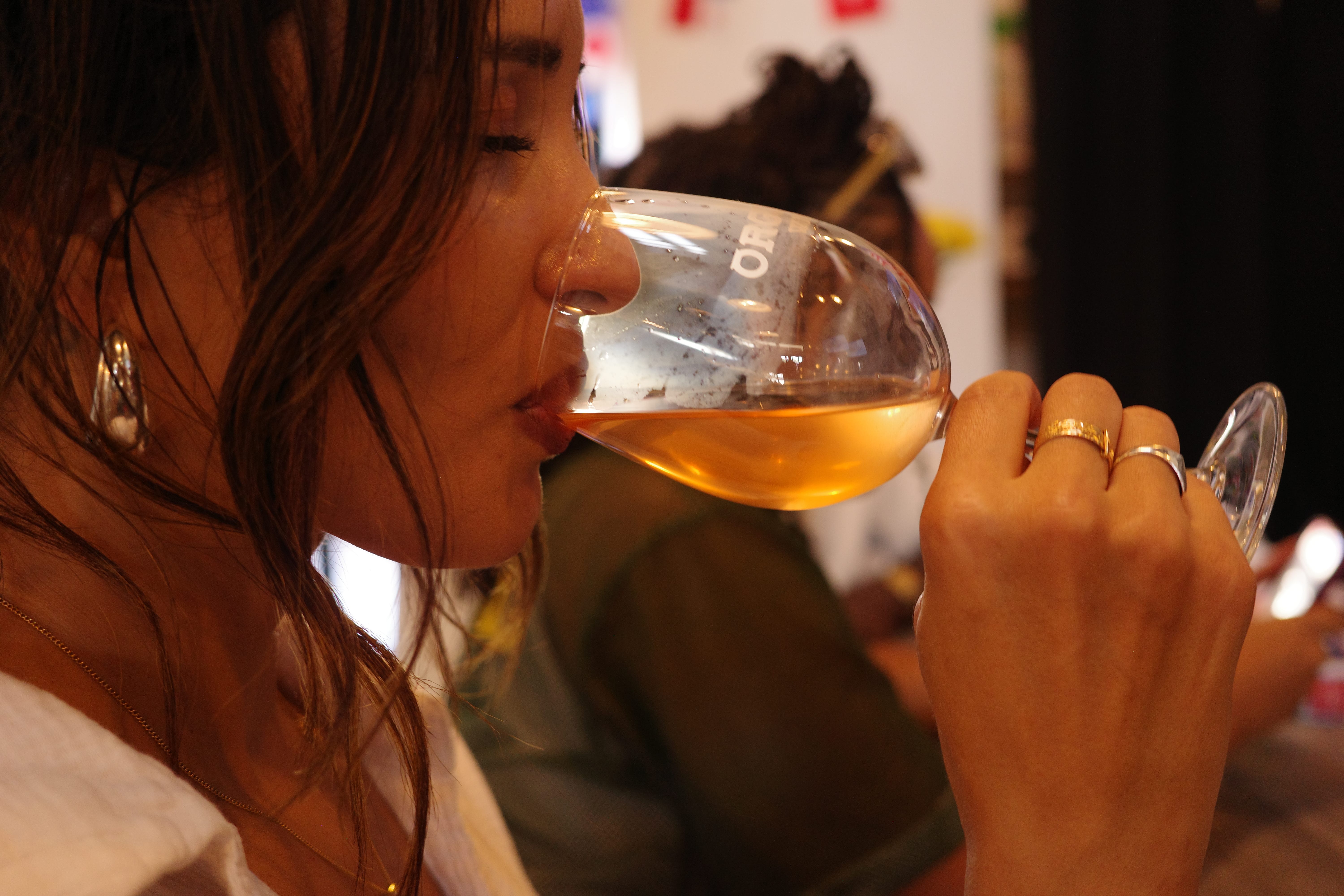
I was in Tuscany when I first heard the phrase “meditation wine.” I was wine tasting at a vineyard and before the tasting could end, our host brought us a Super Tuscan. He said this is not the type of wine that you pair with food, with this wine, you sit back, enjoy, and think. As a person that has always struggled with traditional meditation, I realized, I have been participating in this practice for some time.
To be clear, you can meditate with just about anything. I am also a big walk meditator. To me, and I’m no expert, it just means that you practice stillness and focus on a singular task/thing/moment, gently strengthening your focus and in turn, creating calm. Here’s what I look for in a good meditation wine:
Wine that has something to say: I want to be in communication with the glass, so I need wine with a clear identity, whether that be a place, a particular grape, or a specific winemaker. The idea here is to not just grab any bottle, but one that has a story you can think about.
Complex wine: I look for wines that will slowly reveal themselves through the process, this may require a slightly higher price tag but I can’t meditate to red plum for 20 mins. I want acid and richness, fruit and savory, power and freshness…you get it.
Textured Wine: Silky, velvety, waxy, viscous…It will just make the meditation more interesting.
Long Finish: I need that flavor to linger! It’s hard to determine this while looking at the label, I usually go for winemakers that I know in that case.
This could also be the qualifier for just good wine, but when you aren’t thinking about pairing, I find this helpful as my criteria. So, how exactly does one meditate with wine? Here’s my process:
Pour and look at the wine in the glass. Examine the color, tannins (for red wine), and give it a swirl.
Close your eyes, smell the wine. I spend at least 30 seconds on this, I challenge myself to identify 3-5 aromas
Taste the wine. Finally. Again, I challenge myself to find 3-5 flavors.
Take a break (and a deep breath). Think about the structure, the aromas vs. flavors.
Sip again. Determine if anything changed.
Keep sipping and taking breaks. Try to only focus on the wine during this time, if other thoughts come in, kindly ask them to wait their turn.
That’s it! You can also use this when you are just tasting wine, but I encourage you to give this a try, it’s fun and calming. Also, you can do this with others. But, I have to say, I really love doing this solo. Here are some wines that meet my criteria to get you started:
Sassicaia (Bolgheri, Tuscany): Bolgheri is very underrated, and this wine has a lot of personality, it was the first one I ever meditated with (once I realized this was actually a thing).
Viña Tondonia Reserva (Rioja, Spain): A mature Rioja, I’m sure this one has stories to tell.
Cartology (Western Cape, South Africa): Old-Vine Chenin and Semillon, and a reminder that you don’t have to meditate with red wine.
All of these are blends, but single varietals can also work here. Overall, it’s just important that you choose a wine that you like and can spend some time with. If you do decide to give it a try, please let me know how it goes. Namaste!
What’s in My Glass: A Double Feature
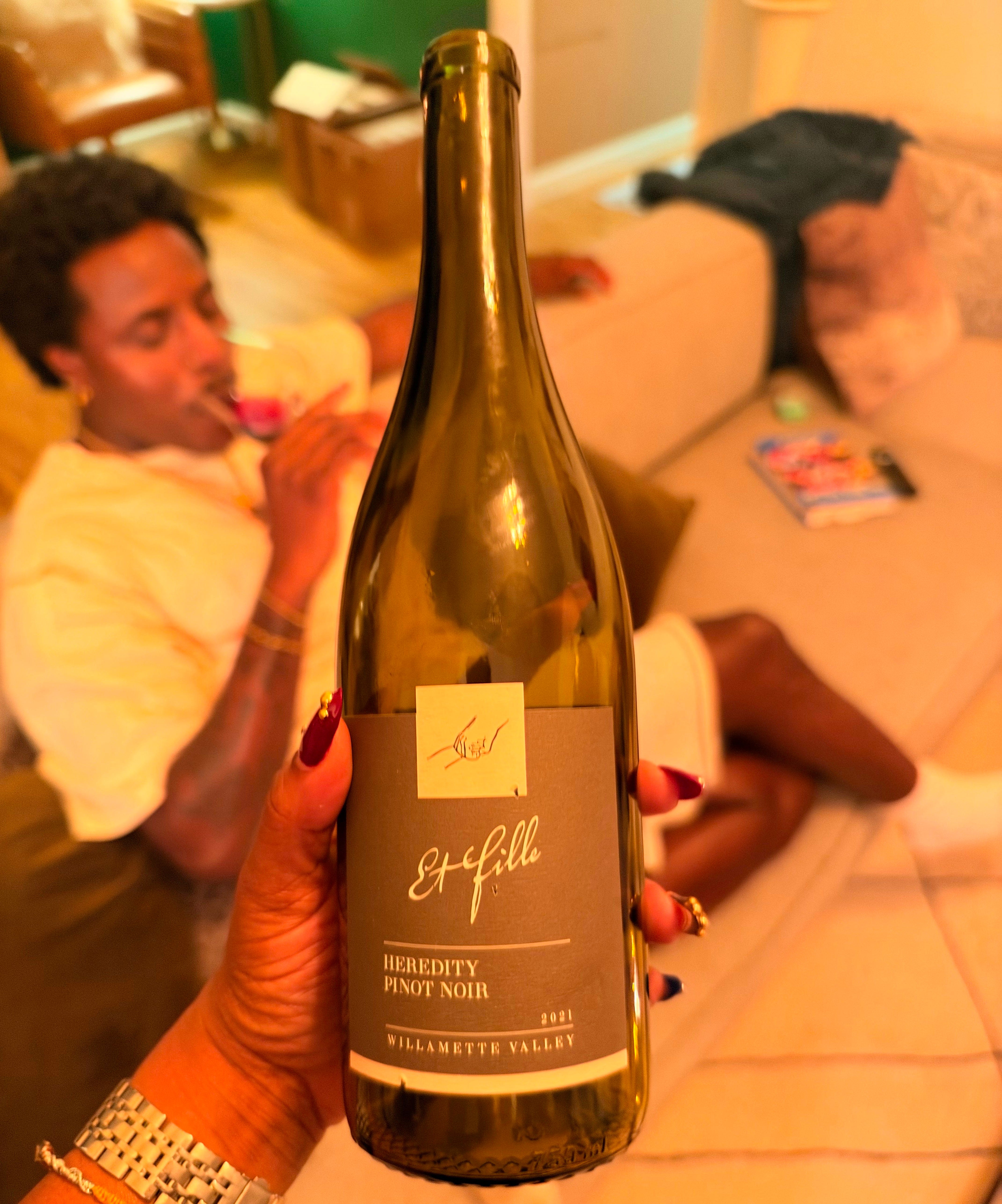
Despite being incredibly sleep deprived, I missed my best friend. So, on the night of my return to LA, I had an impromptu wine night. I decided to open one of my all time favorite Pinot Noirs: Et Fille Heredity Pinot Noir. This is not your typical Pinot, it’s made in the Willamette Valley and is surprisingly complex. At the beginning, it’s mostly red fruit, but as you let it settle in your glass you will get aromas and flavors of forest floor, a hint of green pepper, and it has almost a savory quality. This was my meditation wine before my friend arrived. Once he tasted it, he was amazed at how silky and smooth the texture was. If you’ve already clicked the link, you will see it’s about $45/bottle, and you know I don’t love spending more than $40. But, this one is special, and besides, I bought it for a client.
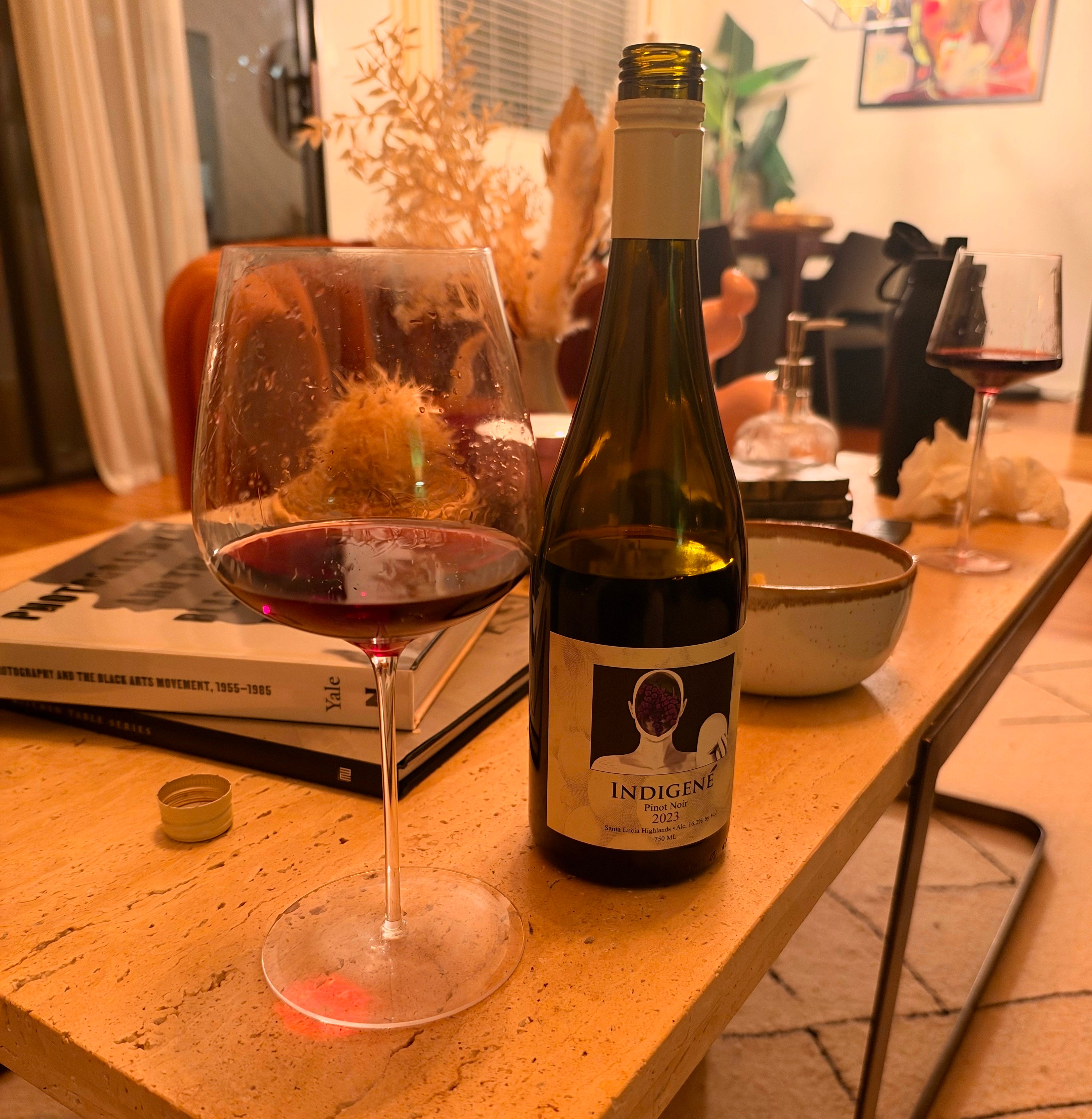
Now, since this was a wine night, we couldn’t stop at just one bottle, and I wanted to take my friend on a small tour of sorts. Pinot Noir, Oregon vs. California. This time, I pulled Indigene’s Santa Lucia Highlands Pinot Noir, which I got on my recent trip to Paso Robles. This Pinot is also special, and of course the first thing we picked up on was how much riper the red fruit was. But, it balances that juicy quality perfectly with notes of cinnamon and toasted oak, and is just as smooth. Of the two, this one was my friend’s favorite. I just know that both were very special and deserve a seat at your table. I hate to disappoint again, but this one is also over my typical price threshold at $50. But, I promise you it’s worth every penny, and you will be supporting a Black winemaker.