


This is a heavy week (year?). Trump is trumping and hinted at Iran bombing LA and San Diego, the Paramount & WBD merger officially closed (goodbye CNN), and we’re still living with the reality of the Cornell 7, Nolan Wells, and Gaza. It’s exhausting, I’m exhausted. I really struggled with what to write this week, who cares about wine? But, a very smart woman said: "Pour yourself a drink, put on some lipstick, and pull yourself together." That woman was Elizabeth Taylor. So, in the essence of taking your mind off of things for a few minutes, and controlling what we can control in a wild world…let’s talk about decanters.
When I was in my 20s living in NYC, I had a friend who always served wine out of a decanter. It always looked so glamorous and chic, no mind the fact that we were drinking two buck chuck. As he poured that wine from a decanter, I felt like I was being treated to a Grand Cru. You, quite frankly, couldn’t tell me anything.
But, why do we need a decanter? Does it have any real purpose outside of just looking really good and hiding your (possibly cheap) bottle? The truth is, they have a very real purpose. And it’s possible you’ve been using them (and aerators) all wrong. So, let’s get to the bottom of these very fashionable tools and when/if we should use them.
Regional Spotlight: Solvang, CA/Santa Ynez Valley
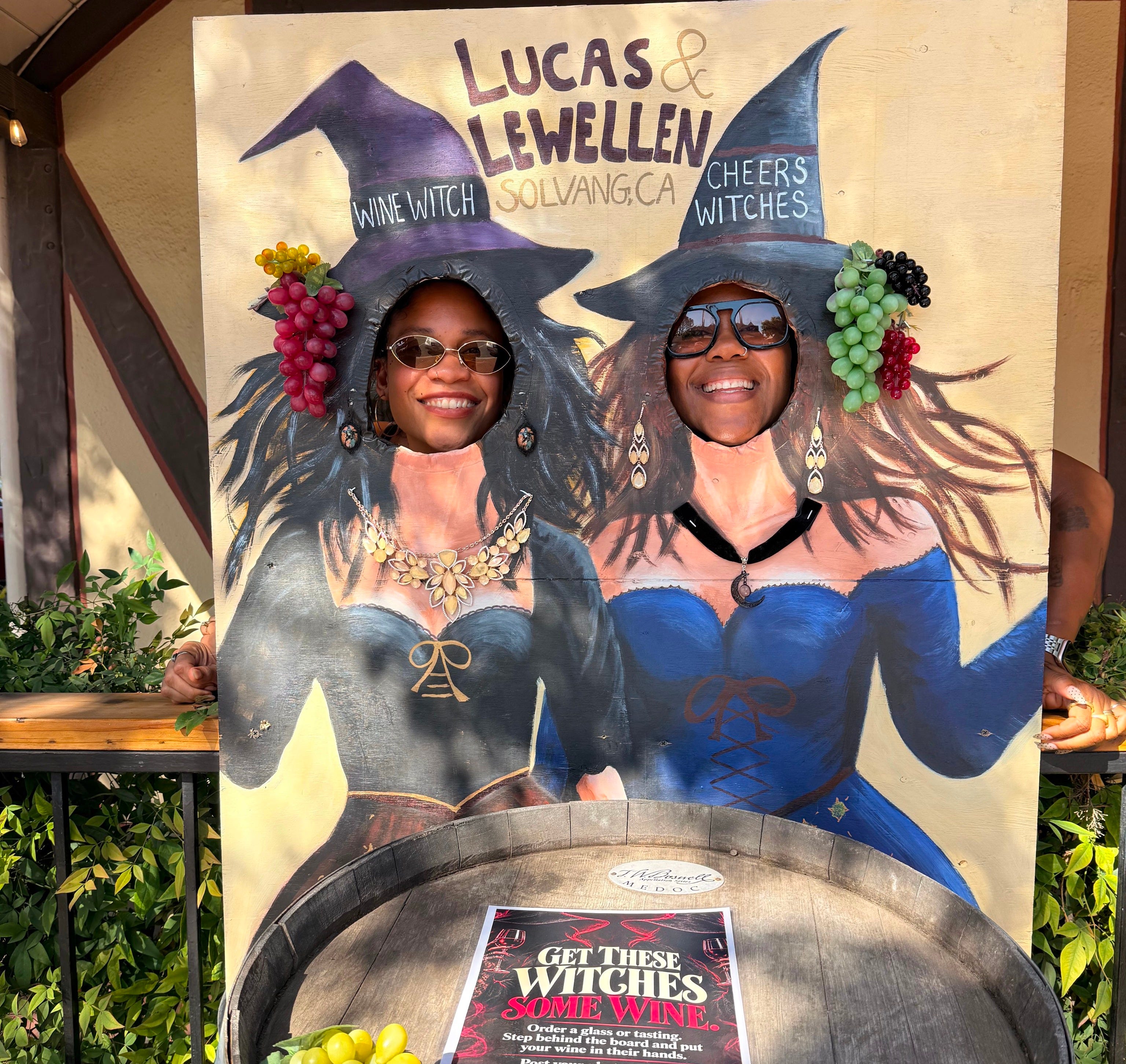
Before we get to the decanter, let’s talk about a little kitschy town in California. This place is a much needed dopamine hit. It’s styled after Copenhagen, if Copenhagen had a baby with Halloweentown. It’s completely dedicated to the plot with Danish architecture, Danish bakeries, and even a “sausage garden” (We tried it, it was good). And, as it’s located right in the middle of Santa Barbara County, it’s also becoming a popular wine destination.
First, let’s be clear - Solvang itself isn’t a “wine region,” it just happens to be in the heart of the Santa Ynez Valley. I thought it was an AVA, but I was unceremoniously corrected when I visited my first tasting room in Solvang. So, when visiting there, you will find a good chunk of tasting rooms for the SYV, and my loyal Corner visitors know I already covered Santa Barbara County , this time we are hyper-focused on what Santa Ynez has to offer because chances are you will see it in your grocery store.
First, SYV is pretty large and has four mini wine regions within it: Sta. Rita Hills, Ballard Canyon, Los Olivos, Happy Canyon. And the cool part is each region specializes in different things because each one has slightly different geographical/climate implications. This makes for a very fun experience while popping in and out and tasting rooms in Solvang. Here’s how they break down:
Sta. Rita Hills: This is a cold, windy, maritime region. The Pacific Ocean is a major influence here. That means Pinot Noir thrives, also they are doing some very interesting things with unoaked or minimally oaked Chardonnay.
Ballard Canyon: This region also has some maritime influences, but it also has slightly warmer inland temps. Therefore, Syrah thrives here, it accounts for more than half of the vines of in the region. All the things you love about Syrah (pepper!) can be found here.
Los Olivos: This represents the center of the Valley, so it’s full of variety. While Rita Hills and Ballard are on the west and have that colder Pacific influence, Los Olivos is slightly warmer. They plant a lot of Rhone, Bordeaux, Italian, and Spanish varietals. However, my favorite from them was a Zinfandel.
Happy Canyon: And this is where the pendulum swings. On the east side of SYV sits Happy Canyon and it gets hot. Therefore, this is where you will get those big, bold Cabernets. However, one of my favorites from the whole day was a Cab Franc from Happy Canyon, it practiced restraint and didn’t have that classic California jam feeling. They also make excellent Merlot, Petit Verdot, and surprisingly: Sauvignon Blanc.
But, what’s with Solvang, and what’s with all the Danish influence? According to the town’s official website, it literally was founded by Danish-American settlers in 1911, but it took decades for it to become a proper wine destination. Some could say it was the movie Sideways that put it on the map. Sidenote: the Merlot hate in that movie was insane. Regardless, it’s the perfect stop for discovering all that the Santa Ynez Valley has to offer with walkable tasting rooms. I also hear they go nuts for Halloween, so maybe try going around then.
When you do go, make sure you stop by Lucas & Lewellen’s tasting room, we loved their wine selection and their Pinot was mentioned in Sideways for all you movie fans.
Wine in Culture: To Decant or Not to Decant?
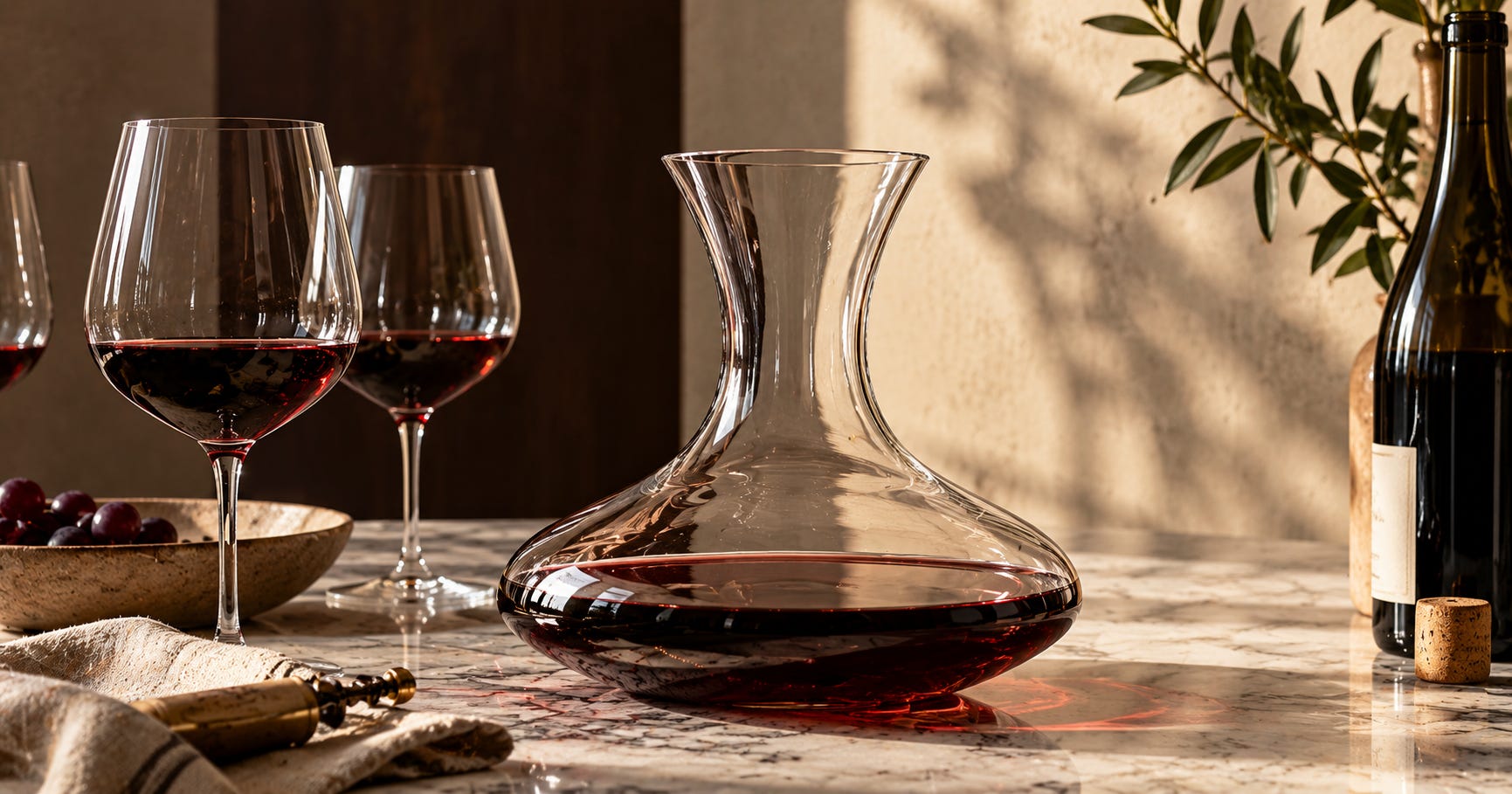
If you are like me, you love entertaining, and if you like entertaining you have lots of glassware, tools, serving dishes etc. Of all my items (that are spilling out of my cabinets), I have a sizable collection of decanters. I love the theater of entertaining, and to me, nothing looks better on a table than wine in a decanter. It feels medieval, almost royal. I absolutely love it. Before I started studying wine, I was a big decanter host, but the truth is…it’s not always needed, and in some cases it can actually be harmful to the wine. So, as I am always on a quest to save the wine, let’s discuss when/how you should use a decanter.
First, let’s discuss what it actually does. Its primary function is broken into two parts:
It separates wine from sediment: If a wine is older (or natural ugh), it will have natural sediment from the aging process. Sediment is harmless, but it’s gross, if you have had some in your mouth…you know what I mean.
It gives the wine more contact with oxygen: The service area for a bottle’s spout is much smaller than the surface area of any decanter, therefore decanting allows the wine to come into contact with more oxygen. This contact can allow wines to become more expressive given the right circumstances.
So, when should you decant? First off, decanting should be used as a tool, not a tablescape component (I’m saying this to myself). You should always taste the wine first, and then make the decision to decant. If you are getting all the flavors, structure, and textures (no sediment) you desire then there’s no reason to decant. But, if you feel like you are getting the short end of the stick from the bottle (not getting much flavor or aroma, getting lots of tannins, or overpowering oak), it’s time to reach for that decanter. Here are some scenarios when you may want to have it at the ready:
You are drinking a very old wine: But, use with caution. Older wines can be delicate and fragile. Pour slowly, and only pour a little and give it another taste. If you already got the gritty sediment in the initial taste, you should absolutely decant, but again - slowly.
You are drinking young, full body, high tannin wine: This is where the tasting ahead of time really needs to come in. Wines that are 2-4 years old, have full bodies and lots of tannin can be a little shy with their flavors once the cork is popped, they need to open up. The decanter is basically a high speed train to getting them there faster. This will help them become more expressive, with flavors and aromas. This includes wine like: Cabernet Sauvignon, Syrah, Barolo, Barbaresco etc.
You are drinking a full body, structured white wine: For most white wine, when asked if a decanter is needed, the answer will usually be no. Remember how I said it can be harmful to some wines? I was especially referring to highly aromatic whites like Sauvignon Blanc or Gewurtztraminer. Decanting these can result in them losing their delicate flavors, they can’t handle that much air. But, if your white wine is a big boi with lots of structure, decanting can help open it up a bit. This can include wine like: Chardonnay, Chenin Blanc, white Burgundy. But again, taste them first, these varietals can be made in a variety of ways, so it’s possible they won’t have the structure for all this spinning. But forreal: white wine usually doesn’t need to be decanted.
But, what about rosé? Also no. I can’t think of one situation when a rosé would need to be decanted. They exist for their freshness and aromatics, it’s in the name. I would avoid this. And finally, what about sparkling? This is interesting. I was sure that the answer would be no as well, but I did a little research to make sure. Turns out, I was mostly right, it can jeopardize the bubbles. But! According to Wine Enthusiast, a case can be made for some vintage Champagne. However, if you are drinking vintage Champagne, you MUST make sure you really need to decant (taste.it.first), or just test a little. That’s a big investment that could be going to waste.
Before we close, let’s discuss the decanter’s trendy little cousin: The aerator. It mostly does the same thing in a smaller (less chic) package, and is usually attached/placed on the top of a wine bottle. What it won’t do is separate sediment. So, you can apply the same logic to points 2 & 3 above to determine if it’s needed. It will essentially increase the wine’s oxygen exposure as you’re pouring and it will do it quickly, but if you are hoping to allow oxygen to open it a bit more over time like with a decanter, this isn’t the route for you. This is perfect for a solo drink night when you plan to seal the bottle up in a few hours for safe keeping.
So, have you been using the decanter appropriately? In my case, the answer is no. But, I also just use it less frequently because frankly….the wine glass does a lot of the this heavy lifting. All that swirling we’ve been doing? That’s doing the decanter’s job, especially if we’re using the right glass. So, am I hanging up the old girl for good? No, like I said, I love the way they look on a table. But, I will be using them more intentionally.
Wine in My Glass: Baia’s Tsolikouri
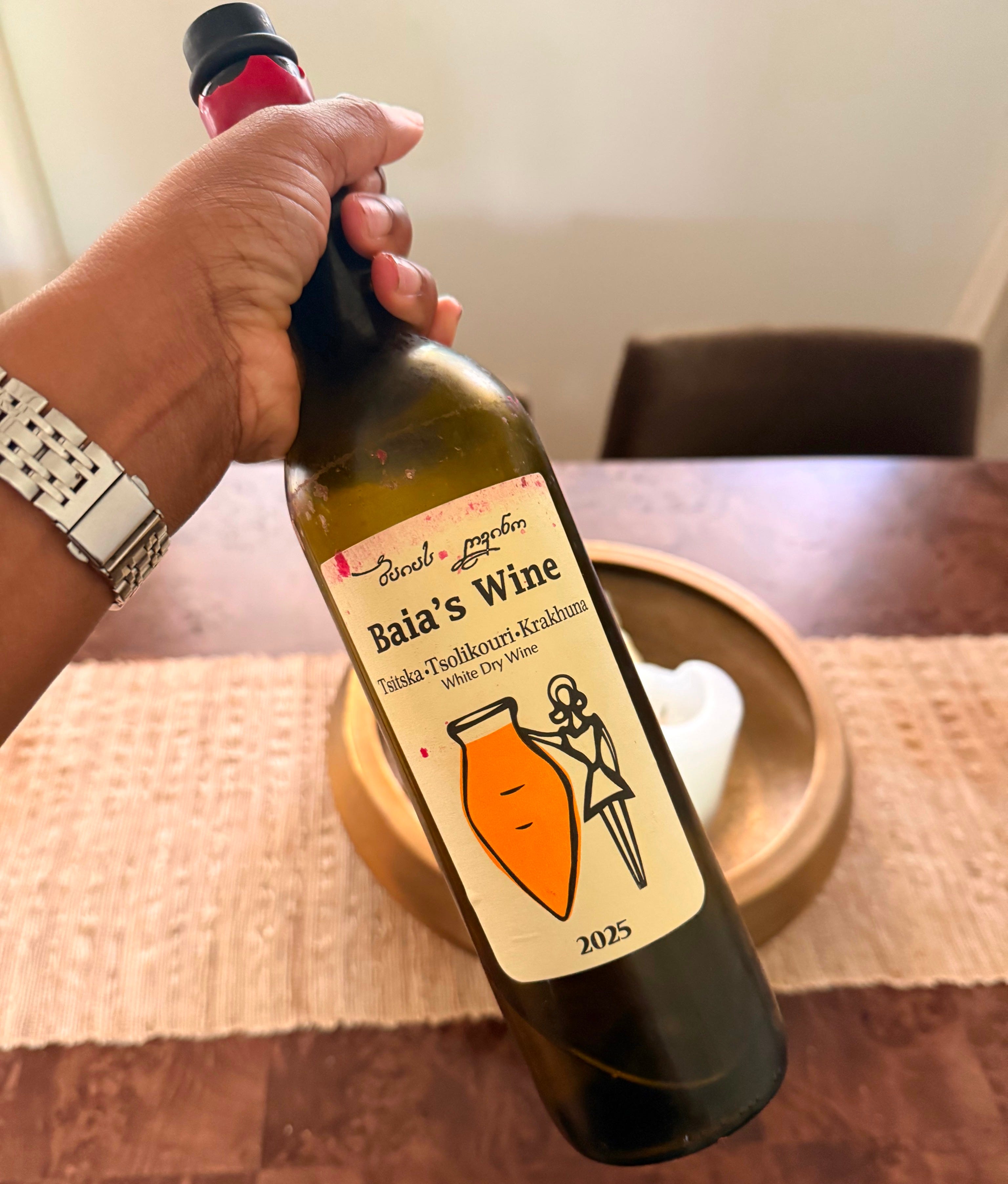
I’m currently pulling wines for an upcoming event that I’m consulting for. When I’m building pairings, I always go for wines that will leave a lasting impression. Sure, they should harmoniously marry with the food, but I like wines that can also stand on their own. I love the idea of someone taking a bite and then a sip and saying “oh!” while looking at their glass. I live for this. When my client requested an orange option for the dinner, I immediately ran out and grabbed Baia’s Tsolikouri.
This Georgian wine is one of my absolute favorites, and punches way above its weight. I can’t remember the first time I had it, but it truly embodies everything I love about orange wine. It’s mineral-y, has a sturdy body but no grit or haziness, it has strong flavors of citrus and apricot, lots of bright acid, and its tannin is almost tea like. I love when my wine drinks like tea.
We’ll dig into Georgian wine more in the coming weeks, but overall, I can’t recommend this one enough. If you already love orange wine, this will be very satisfying. If you are new to orange wine, this could be a pleasant surprise. Regardless, give this one a try.
If you are in LA, they sell it at Silver Lake Wines, it’s priced at $33, but I’ve seen it sold between $27-35. Next time you are making flavorful chicken or fish, grab this - it can handle the flavors.