


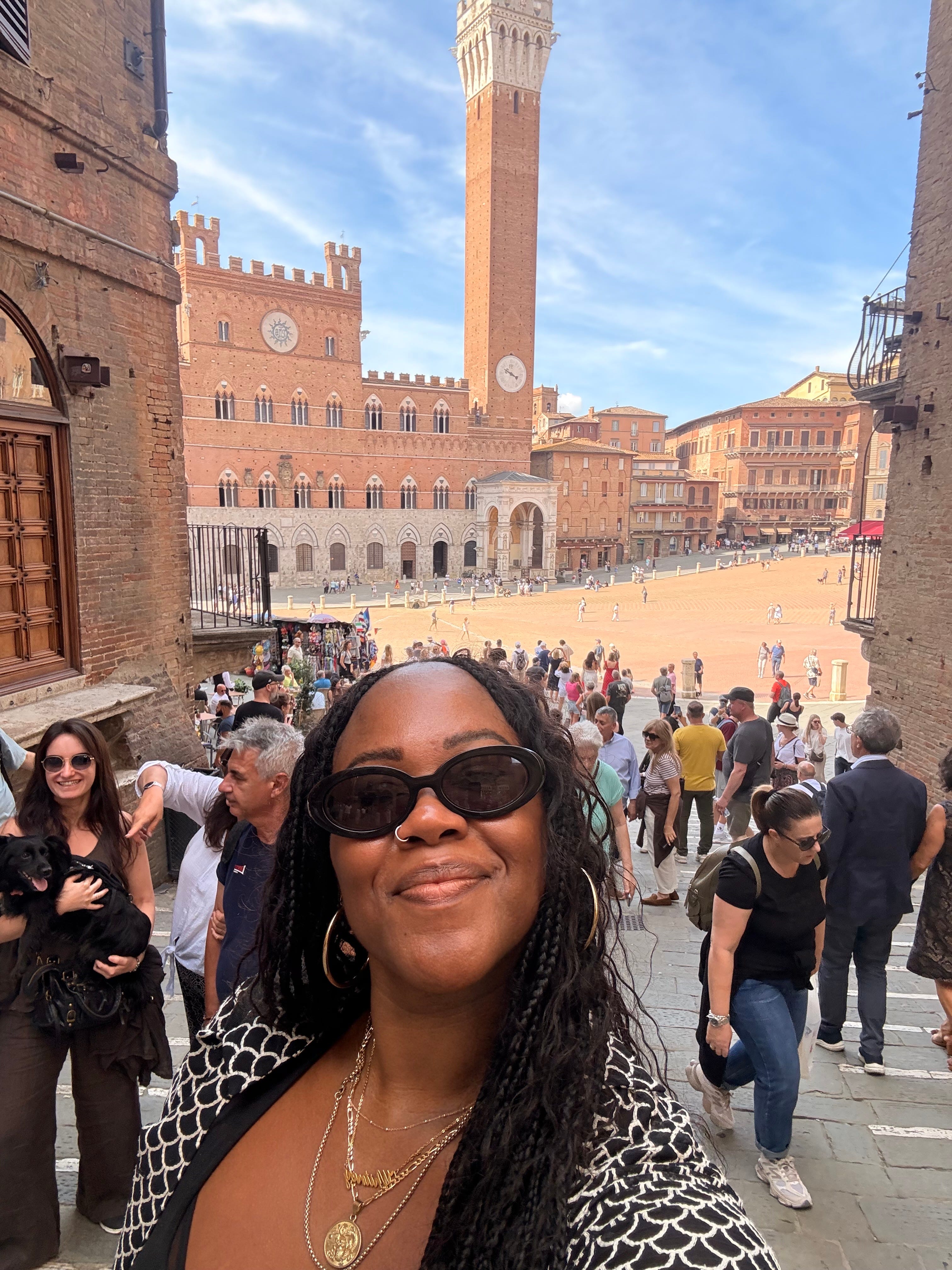
When I first started writing this newsletter I was still in Tuscany, gearing up for one final night in Siena before I headed back to Milan and then home. I was really struggling with what I wanted to say about my time in the region, one that was so rich and nourishing for me. If you’ve been following along, you know that I’ve already learned a lot about wine and life…so, I thought let’s focus on the grapes. I started writing it and it just didn’t feel right. It wasn’t the grapes that moved me, it was the overall lifestyle, it was the way my life moved with ease while I was there. Tuscany was transformative in more ways than I could have imagined, but what it proved is that wine is more than a drink - it can be the key to a life well lived.
I will miss the sweeping vineyard views, the stunning sunsets, my local cafe in Siena where I was greeted with “Ciao Bella!” when I came in each day, my daily riposo (pause), Italian hospitality, and of course…the wine paired with virtually every occasion. But, I will mostly miss is that for a brief moment I was a part of their world, one that is the epitome of the art of living.
So, how do they do it? I have a few ideas…
Order the Whole Bottle, Maybe Two
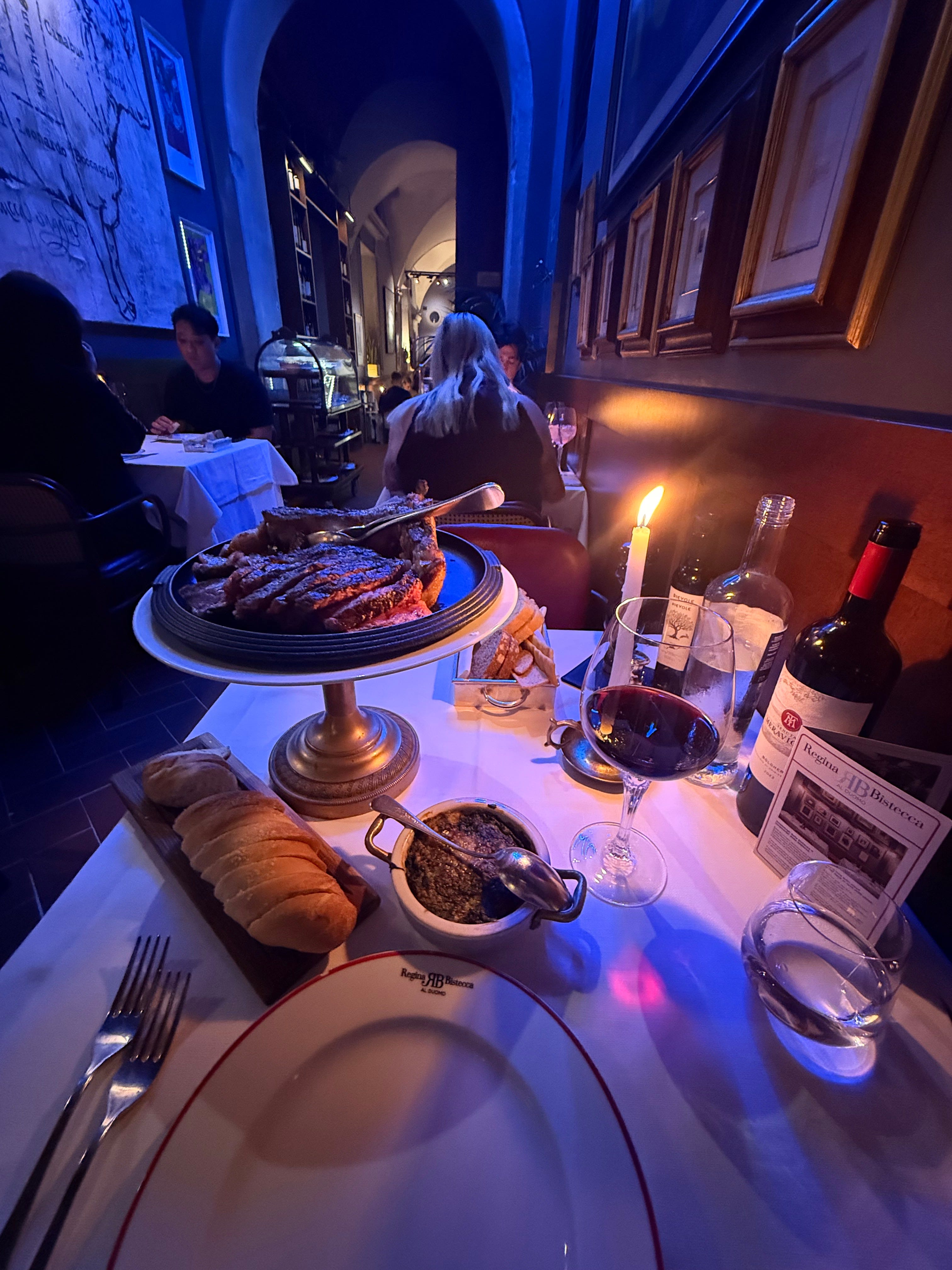
Dining is an art form in all of Italy, but (and I may be biased), Tuscany really takes it to new heights. Every time I sat down to a meal, I knew I needed at least 2.5 hours, even if I was dining alone - which was often on this trip. First my server and I would discuss water, then they would usually leave me be for a solid 20 minutes, after a few experiences with this, I started to bring a book to dinner, there was no need in trying to rush the process.
When they finally came back and took my order and asked about a drink, they always asked “glass or bottle.” Bottle? I was but one person. Usually drinking an entire bottle alone was reserved for behind closed doors, but not in Tuscany. I think it’s less about getting drunk and just acknowledging that the dinner experience can not and should not be an olympic sport. There is no rush on the table…laugh, enjoy, read a book. This is living. I noticed that I started to approach each meal with ease, no rushing or expectations needed - my jaw literally unclenched. And at the end, if I didn’t finish the bottle, I took it home and I never never never let a meal end without a little amaro.
I think the key is letting wine be a guest at your table, enhancing flavors, conversations, or giving you an extra moment to think. Just order the whole bottle.
Adopt the “Wine is Art” Mindset
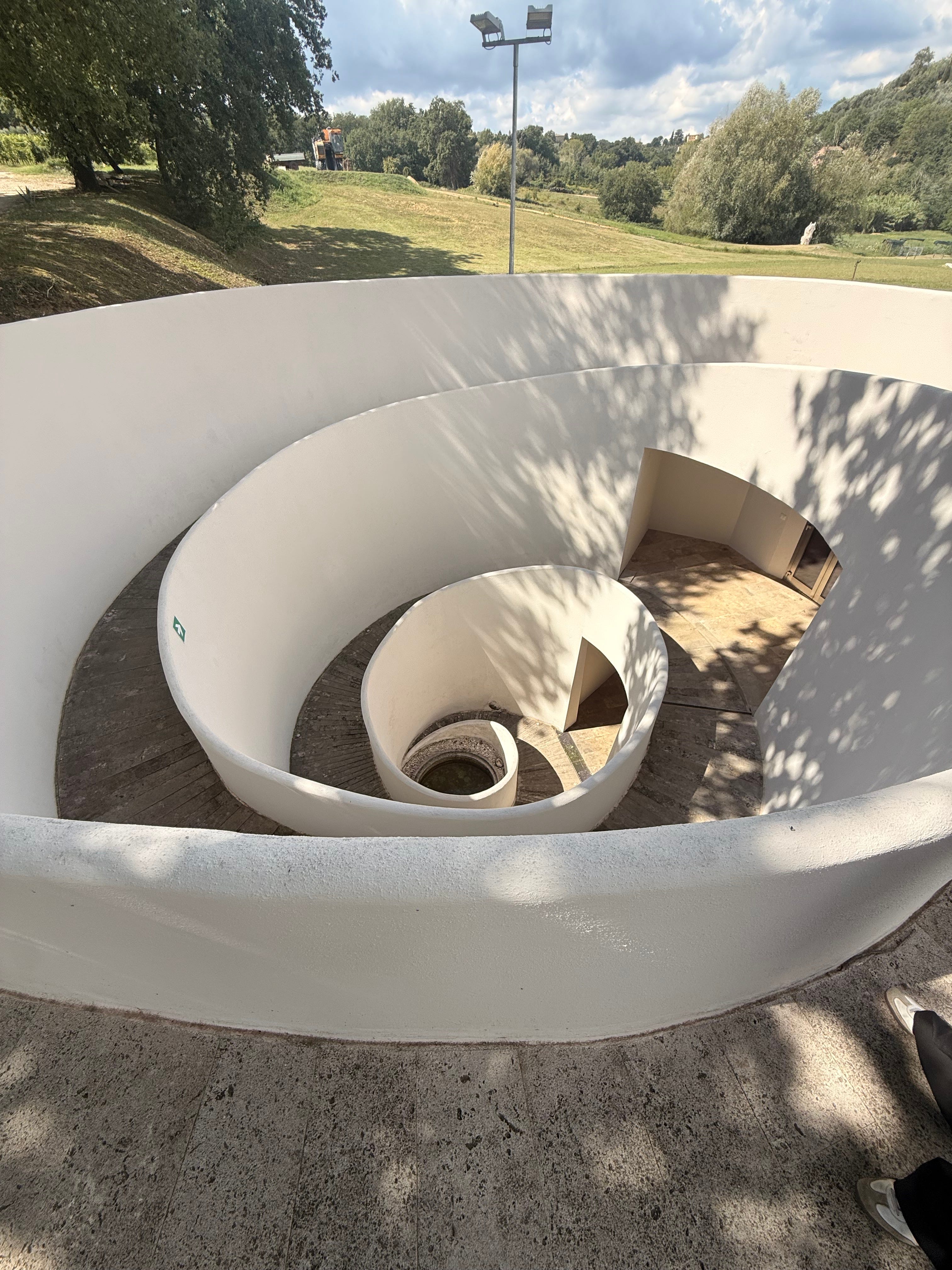
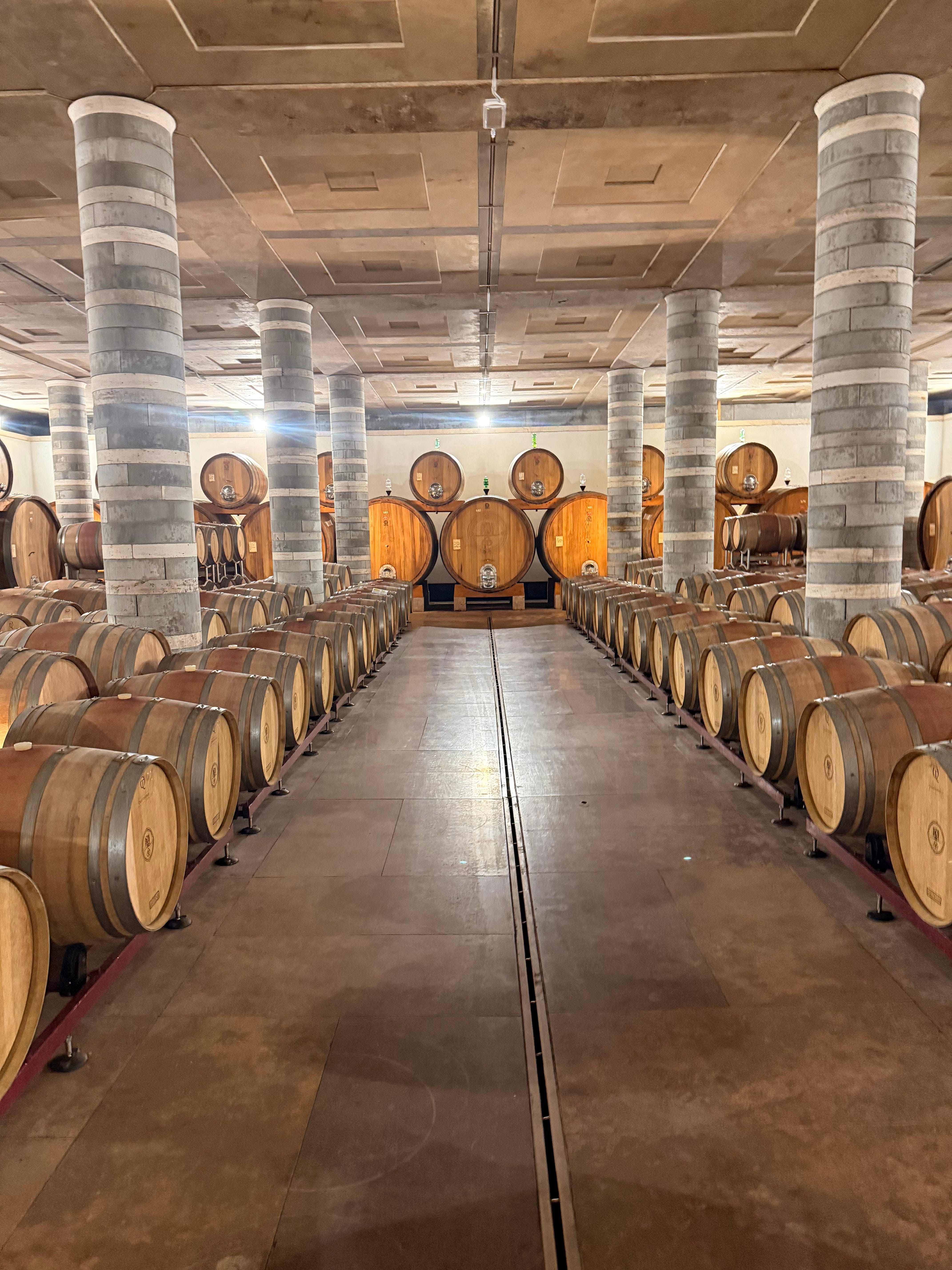
Art and wine have always gone hand in hand for me. I don’t think you can study wine without seeing the parallels. One of the best vineyard tours I went to was Montepulciano’s DEI Winery. If you recall from part one, I was car-less in Tuscany due to my rental car falling through. But, I was determined to go to DEI, I took the bus to the last stop and walked two miles through the rolling hills and olive groves. It felt like a pilgrimage. From the moment I arrived, I knew this vineyard was different, it was minimal, intentional, artful - right from the entry gate. There are free standing baroque statues, the reception area looks like a gallery, and their wine cellar is accessed through an incredible circular ramp that feels as if it descends you down into Wonderland. Once you arrive in the cellar there is a quote written in several languages, it reads:
“Wine comes in at the mouth And love comes in at the eye; I lift the glass to my mouth, I look at you, and I sigh.” - William Butler Yeats
The whole experience felt spiritual, similar to how art can make us feel. And, I hadn’t even started my tasting yet. Once I did have my wine tasting and lunch, I sat overlooking the vineyard, just thinking about all the beauty in this life. The food and wine that followed seemed to just crystalize an already holy experience. I had the opportunity to meet the owner (and her dogs!) and we talked about art and how important it was for her to not just lead with art in the space, but also in the experience. After all, she was an artist (singer) before taking over the family wine business.
At the end of my visit, and with all my bottles of wine in tow, everyone insisted that I could not walk the pilgrimage back. My tasting guide took me home, and funny enough, he became a great friend for the rest of my stay and we’re still talking about wine to this day.
I just love how Italians talk about wine, never as just an alcoholic beverage, always as something so much more. In addition to art, it was referred to as a beautiful woman, essence of God, proof that God loves us… I love this approach because it forces you to see divinity, beauty, purpose in everyday things - including wine. That is literally the art of living.
Drink Wine in the Rain & Never Cry Over Spilled Wine
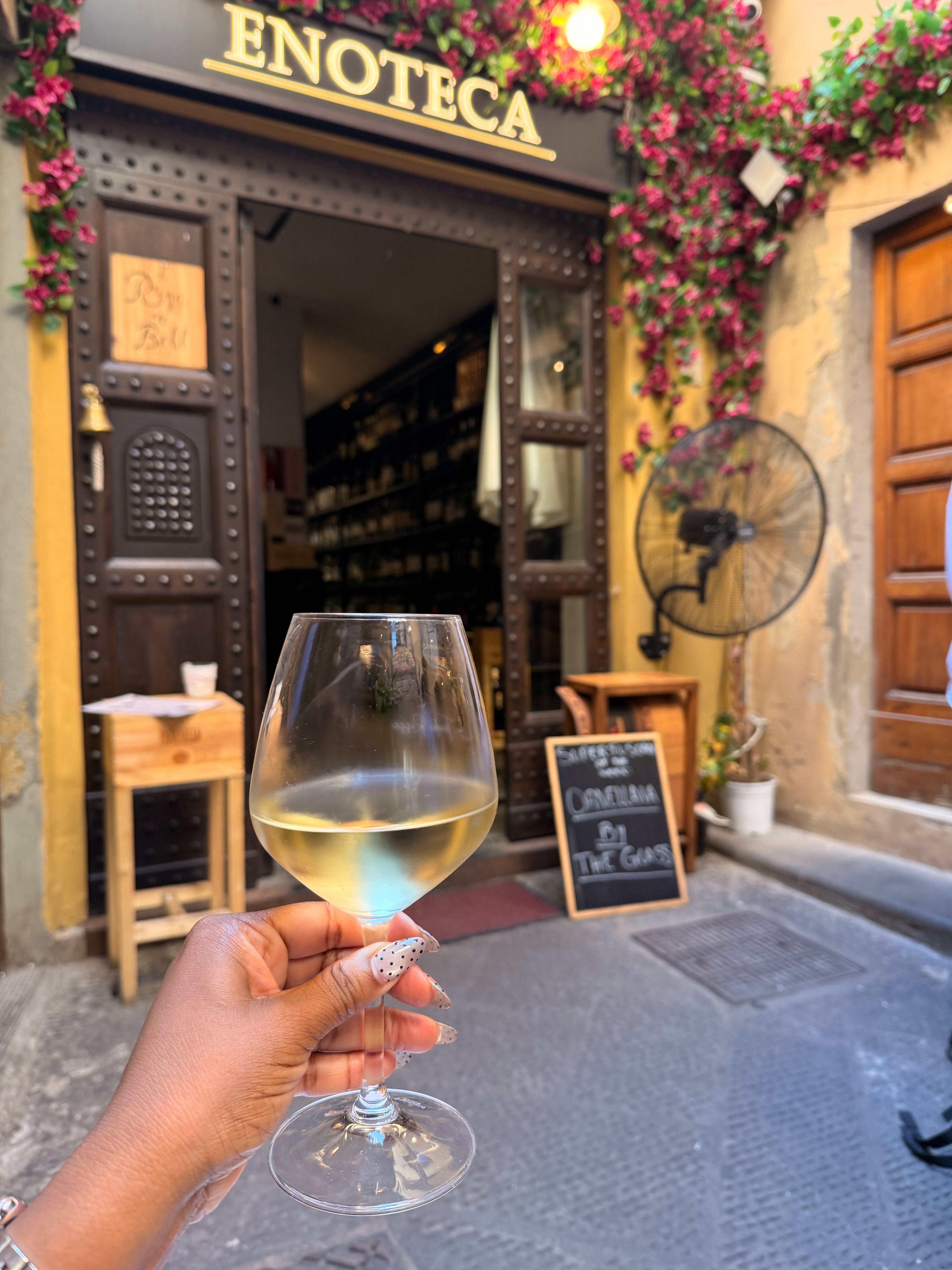
My first night in Siena, my friend (same wine guide as above) came to meet me for dinner. As soon as he arrived at my hotel, we headed to the restaurant on foot, it started drizzling. We quickened our pace and then it came: extreme downpour. Neither of us had umbrellas, and just like everyone else on the street, we ran to the nearest wine bar. It was like something out of a movie, we laughed in amazement and he got us two glasses of wine, or did they just appear? Dinner was no longer an option, but we had wine. It’s so interesting to me that all of life’s little inconveniences are immediately met with a glass of wine in Tuscany. While the rest of us are just pairing food with wine, Italy is pairing wine with all of life’s little moments. For my friend, a young Vermentino, and for me a Nobile di Montepulciano, the perfect pairings to shake off the fact that we were trapped and aperitivo would now be dinner. I don’t think it was just the wine, it was the mindset that left me feeling whimsical and carefree. Maybe that’s the real offering that lends itself to a life well lived, never passing up an opportunity to have a great glass of wine.
We could’ve gotten upset, it could’ve ruined our evening, but one thing I observed is that is not the Italian way. There were so many things that went wrong on my trip, and when I explained this to hotel staff or Italians I met along the way, they never appeared moved. I had to pay for double hotels! But, I found a hotel I loved in Milan, one of my other Italian friends pointed out to me, as she poured me a Chianti Classico. We all know we shouldn’t “sweat the small stuff,” but it was interesting to live in a culture that makes it core to their identity. This one will be hard for me, but I’m really going to try and adopt it.
Wine with Lunch, Followed by a Nap
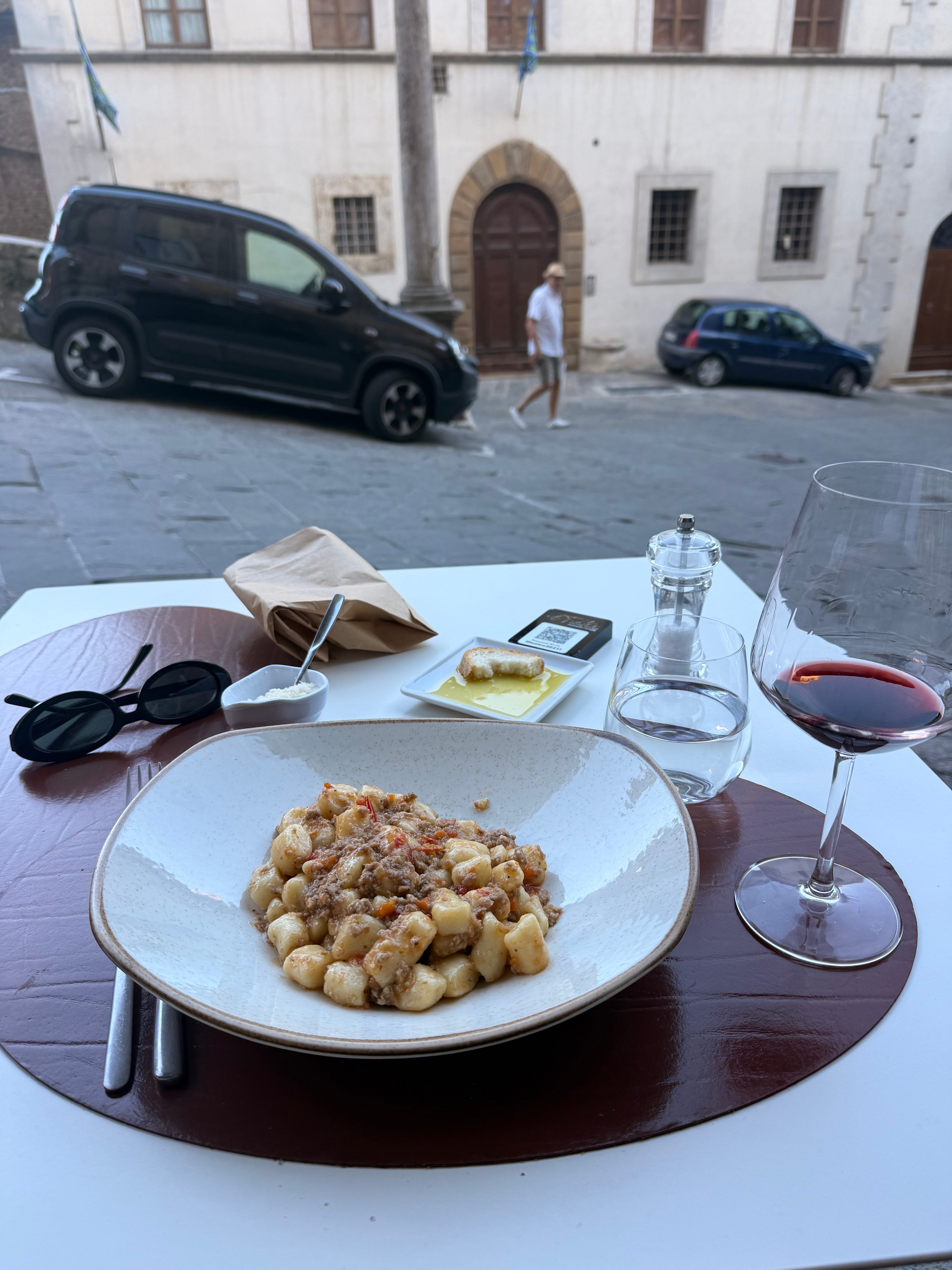
It’s not some urban myth, in all parts of Europe wine is commonplace at lunch, even if one plans to return to some office after the meal. I adopted this ritual with profound zest. But, earlier in my trip, when I was still struggling with jet lag, I sometimes arrived to restaurants around 2:30 or 3pm for lunch. Well, I was out of luck. That restaurant was closed, I even went up to a restaurant once and looked in the window and saw people, it was the staff all sitting down to a meal and a few bottles of wine, looking back at me. I waved and power walked away quickly.
Once I got the hang of the timing (lunch by 1pm), I was able to take full advantage of the riposo (we often refer to this as siesta), and really looked forward to it as a break in my day. I don’t nap, it’s a personal failing, I know, but I still used this time wisely. Everyday from 2-4ish I would go back to my hotel or go to a park with a book or my journal. I finished two books on this trip, that has never happened to me. And, I journaled every single day without fail (ok, not the first day). It became precious time for me, I would eat lunch, try a few wines, walk the city, and then settle in and write notes about the wine, jot down my thoughts, or read my book. I can’t explain it, but it made me so much more aware. I noticed that my wine notes at the beginning of the trip were pretty standard (balance, length, intensity, complexity) and by the end I was basically writing poems about the wine. The riposo works. I’ve mentioned the phrase slow a lot in this newsletter and the first one, but that unrushed way of living truly has its perks. Allowing wine to be there on the journey (the usher to your nap if you will) makes it all the more romantic and vibrant.
In Conclusion: Tuscany in Your Glass
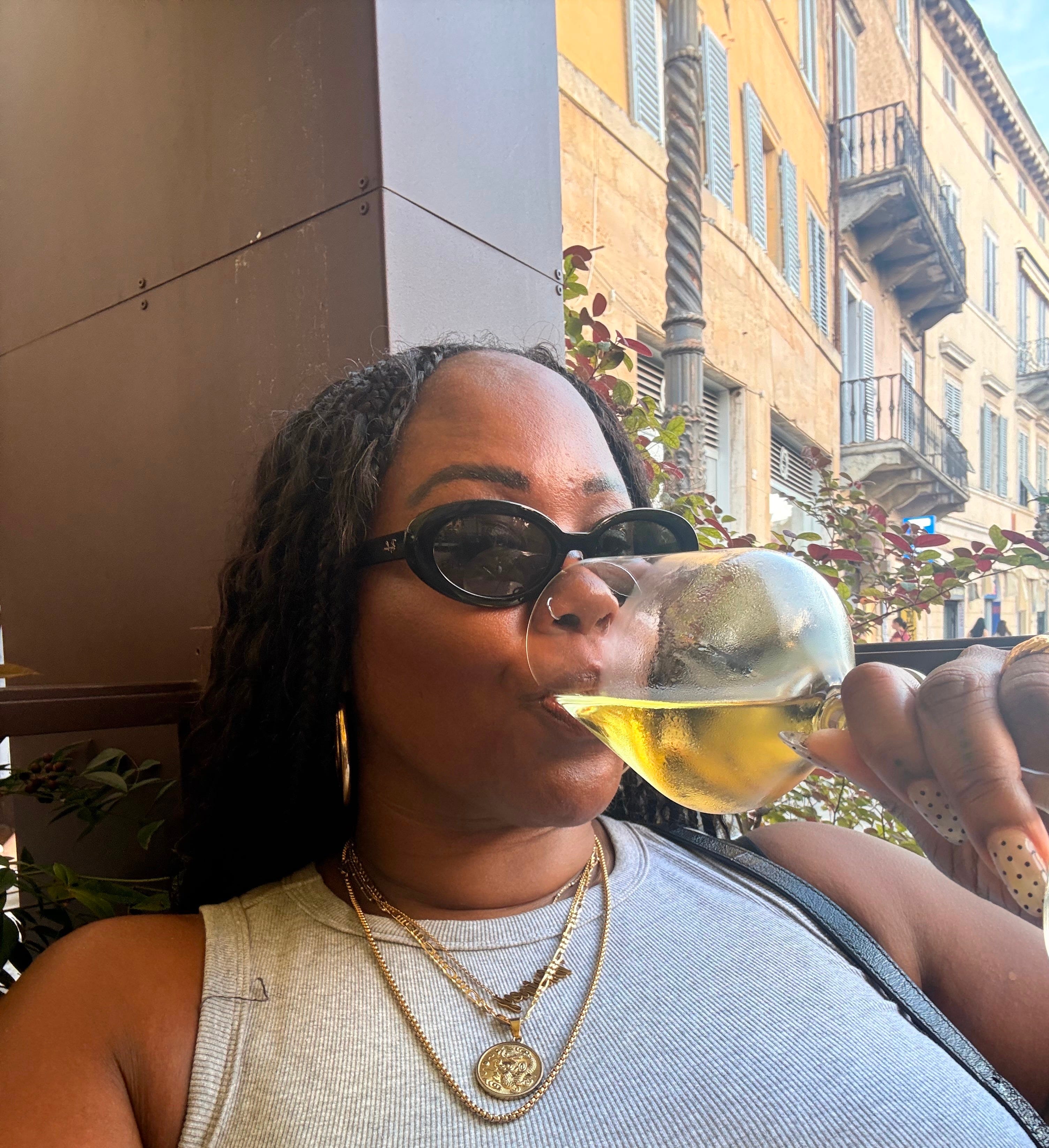
I clearly had a great time in Tuscany, it was fun to experience a storied region that is very close to its media portrayals (you did your thing, Diane Lane!). I cannot recommend it enough, book the ticket. But, I would not be doing my “job” if I didn’t share a few standout glasses that awed me along the way. That way, you can give these a shot, and try on the Tuscan lifestyle for a moment or two.
Colle Bereto Chianti Classico (2022): I could write an entire newsletter about how amazing Chianti Classico is and how I have a whole new appreciation for it. My wine guide/Italian best friend picked me up and took me to Chianti for the day, we stopped in Radda and did a tasting and I had to buy this bottle - it lasted exactly 24 hours, I drank it the next day. It’s young for a Classico, but it still stuns on the tongue. It has long-lasting, complex blackberry and jam flavors with a fabulous spicy aroma. If you can’t find this one, just make sure if you get a Classico that has the black rooster on the bottle, that way you know it’s the real deal.
Tornesi Brunello (2020): I had a taste of this while on my Montalcino day, it was the standout for me. Flavors of vanilla, spice, hint of tobacco, and of course red fruit. Aromas are very pronounced and spicy. I didn’t buy this one because it’s a little expensive, but if you are looking to splurge $80, this would be my pick.
La Combarbia Nobile di Montepulciano (2022): It was hard to choose just one nobile for this list, I loved DEI’s and Boscarelli’s as well. I bought them both. This one was the one that got away. I should’ve bought the bottle, I was just concerned about how heavy my luggage was getting. With this you will get classic Montepulciano, aromas of blackberries and red berries with a distinct hint of violet - balanced, crisp, with soft tannins. As we know the region makes rosso and reserva, but it will always be nobile for me.
Le Mortelle Vivia (2024): I drank about 80% red wine on this trip (Sangiovese rules the land) and 20% white wine. When I did have white, I was usually just getting a house white that was typically Vermentino, but very good. When I was in Florence, I had the chance to try this blend (Vermentino, Viognier, and Ansonica) and immediately fell in love. It had aromas of green apple, pear, lemon, florals, and only what I could describe as jolly rancher. Flavors were green apple, lemon, and herbs. It’s so balanced and a must try.
Cantine DEI Sancta Catharina: I had several Super Tuscans on this trip, but this one really stood out to me for being so spicy and complex. If you don’t know, there are lots of rules in Tuscany for how wine can be made and that impacts what category or price range producers can sell in. A Super Tuscan is an unofficial term for a high-quality red wine made in Tuscany, that breaks traditional regional winemaking rules. So, basically, next time you see one at the wine shop, just give it a try. We love rule breakers.
Varietals to look for to experience Tuscan wine:
Red Grapes
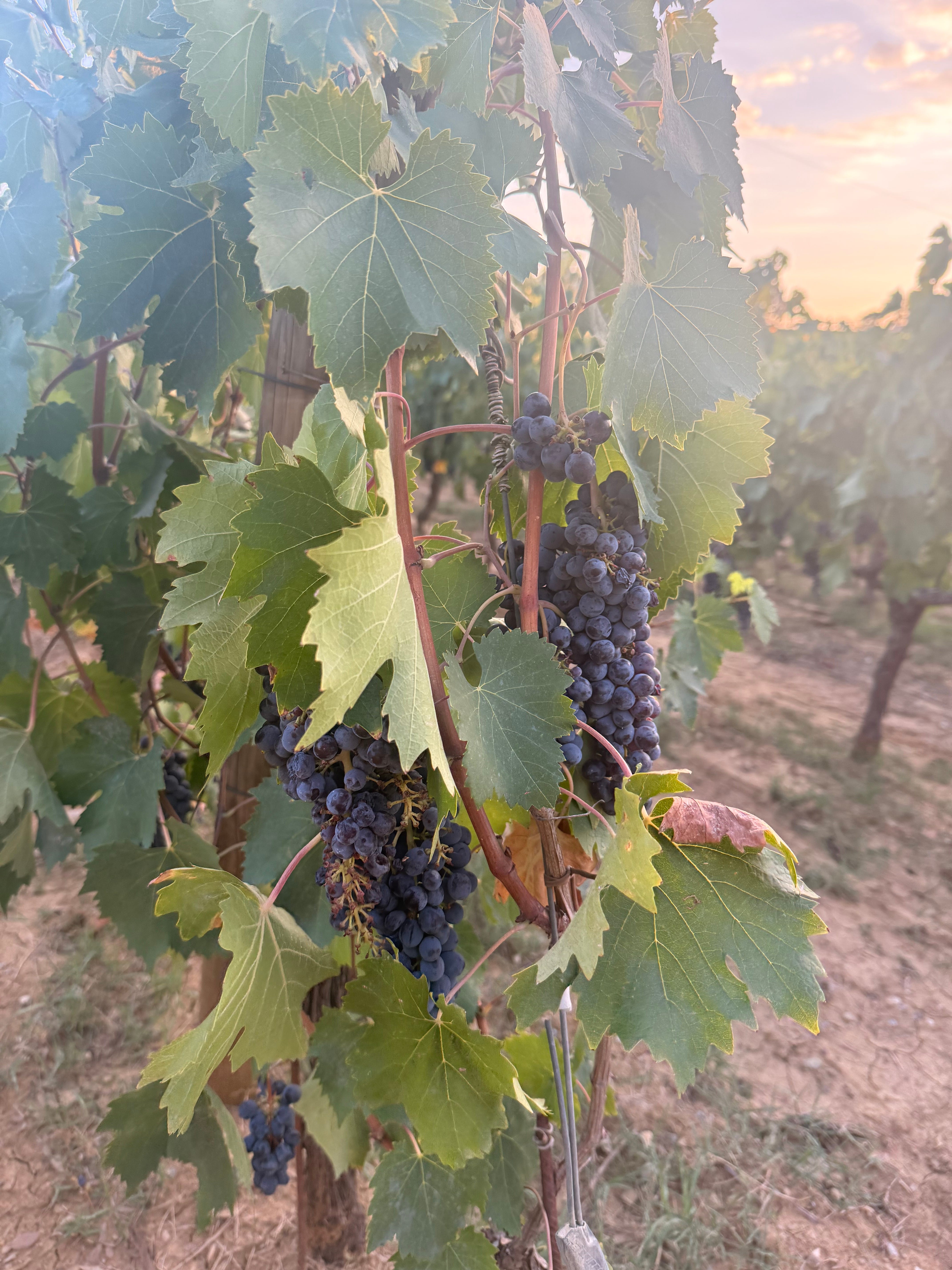
Sangiovese: The signature
Canaiolo Nero
Ciliegiolo
Colorino
Pugnitello: Very rare!
White Grapes
Vermentino: My favorite
Trebbiano Toscano
Vernaccia
Wow, I felt like I was right there with you every step of the way. What a beautiful story and an amazing trip! I loved following along with your journey. ❤️
Wine ✅
Food ✅
Wine/ best friend - we need more. Pls ty