


I know I told you to not be bummed by last week’s South African spotlight, but the truth is…I was really bummed. And, because I’m a sadist I decided to dig deeper, here’s what I found: Black producers make up well under 1% of the wine industry in the United States. According to the Association of African American Vintners (AAAV), fewer than 1% of the more than 11,000 U.S. wineries are Black-owned, representing roughly 100 wineries nationwide. And that’s just in the United States, I’m afraid to go deeper. So, let’s do something about this, shall we? This week, I’m going to place a spotlight on Black wine producers that you should know, and I’m doing it outside of February! If you like what you read, maybe go and order a bottle to support them, or better yet pick it up locally. The more we support these brands, the more they can produce and hopefully inspire others. Because, this isn’t a South African problem, this is a global, industry wide problem.
But, first, we’re going back to South Africa and this time there’s some promising news, it’s a revolution but not in the way you might think. Also, I have the perfect bottle for you to pair with your next seance or tarot reading.
Let’s begin.
Regional Spotlight: Six Weeks of South Africa - Swartland
Last week, we discussed Constantia, a place rooted in history. This week we are moving on to Swartland, a place rooted in revolution. Before Swartland, South Africa was largely associated with value wines. After Swartland, critics started talking about South Africa in the same breath as the Rhône, the Loire, and even parts of Spain.
Located an hour north of Cape Town in the Western Cape, “Swartland” means “Black Land,” a reference to the native renosterbos shrubs that appear almost black after winter rains. Unlike the manicured estates of Stellenbosch, Swartland feels rugged, windswept, and agricultural. It's a working landscape known as much for wheat fields and olive groves as vineyards. The region exploded onto the international scene in the early 2000s thanks to a group of young winemakers who believed South Africa could make world-class wines by focusing on terroir rather than technology (read: low intervention). Their work sparked what many now call the "Swartland Revolution."
Their regional focus is minimal intervention, but don’t call it natural wine. Their approach/regional ethos is based on the following practices:
Dry farming (little to no irrigation)
Old bush vines
Native yeast fermentation
Minimal additions
Neutral oak
Little filtration
Farming first, winemaking second
But the goal isn’t to make funky wine, they want to let the vineyard speak. And that it does, especially with its weather, which is hot, windy and pretty dry. This makes for juicy, full of flavor, very ripe grapes - allowing their wine really stand out. Here are some of their signature varietals:
Chenin Blanc: You’ve never had one like this, read on to what’s in my glass to learn more. But overall, these pack a punch of flavor and can age very well because of it.
Syrah: More savory than sweet.
Grenache: Elegant with potent red fruit
Cinsault: Fresh, floral, and very silky.
Field Blends: If there was ever a time to try a field blend, it’s from here. Many vineyards in the region aren’t planted to just one grape. They’re planted to several.
Everything is harvested together. Everything is fermented together. It’s a traditional practice that is currently having a revival. Also, they use bush vines in this region (think bushes instead of neat rows), this also contributes to great blends.
Let’s talk producers. The Swartland story is more about collaboration than ownership. Many of the vineyards are owned by long-established farming families, while the revolution itself was driven by independent winemakers purchasing fruit from growers rather than owning massive estates. That model has lowered some barriers to entry, making it much easier to get into the region. But, if you want to try some of the major players in the area, I would start with these:
Sadie Family Wines: Eben Sadie is arguably South Africa's most influential modern winemaker.
Mullineux: Masters of Chenin Blanc and Syrah.
Porseleinberg: They have one wine, it’s Syrah, and it’s frequently mentioned among South Africa's greatest reds. Their website is bizarre though.
Wine in Culture: Black Winemakers Who Are Making Great Wine
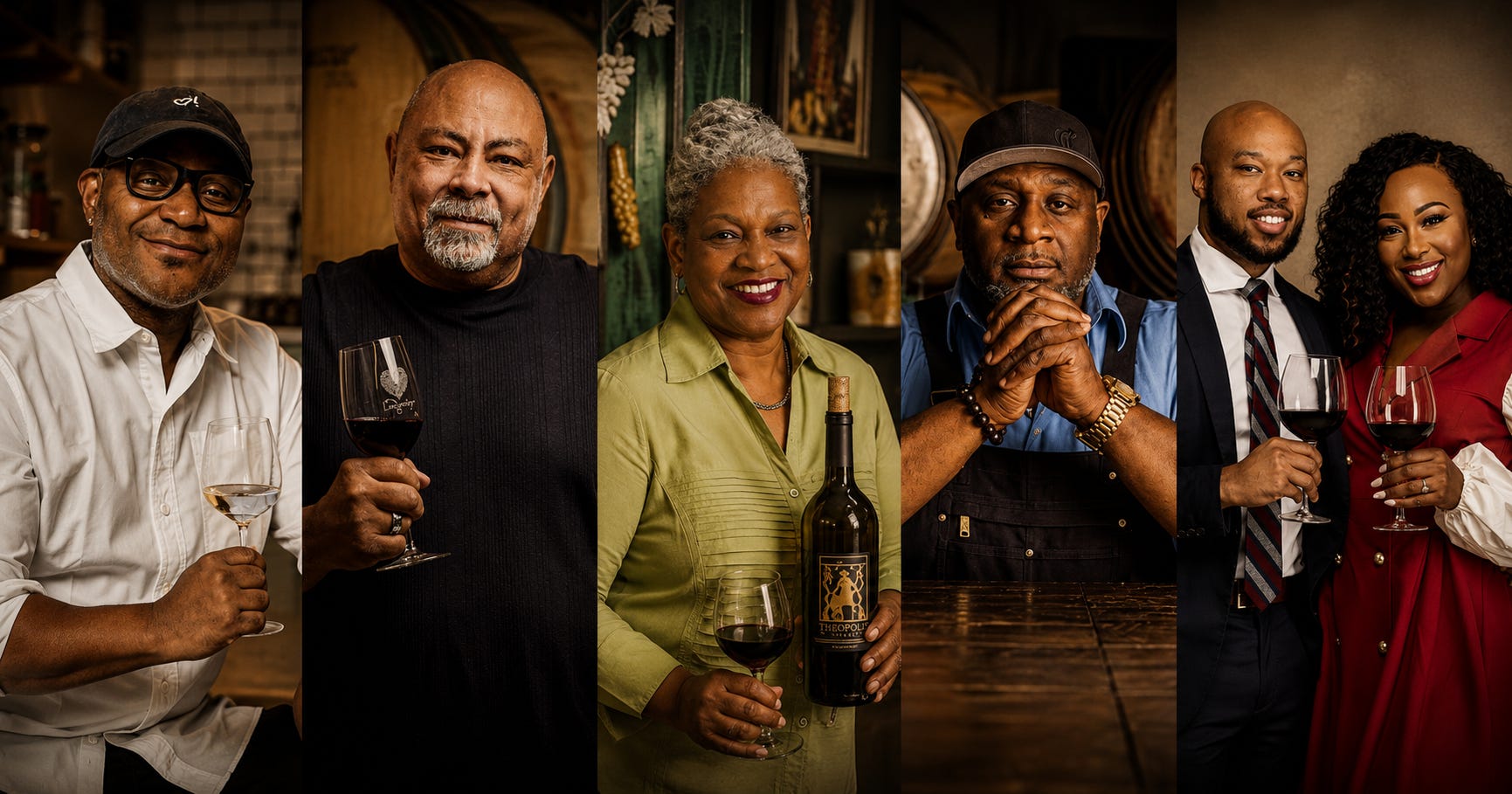
I think a part of me started this journey because I wanted to disrupt the idea of what a wine sommelier looked like. As I’ve been digging into the community, I have found so many Black sommeliers and wine experts, both on social media and in real life. For a second, I thought I was maybe wrong, maybe the industry was more diverse than I previously thought. However, that is not the case. We are a small but growing community, but small nonetheless. So, this week, I want pull back the curtain and discuss some wine brands that you should know and hopefully try. Not just because they are Black, but because they are making great wine and they happen to be Black.
All of the brands I’m featuring are award-winning and many are trying to do something a little different. As we’re a few years out from the “racial awakening” and seeing Black representation dwindling in Hollywood, Black executives being disproportionately impacted by corporate and government layoffs (myself included), systematic and implicit bias (blatantly) running rampant, and Black people still suffering racial violence on a near daily basis (what happened to Nolan Wells?!), it’s still (and always) a good time to support Black businesses. But also, it’s just good wine, and isn’t that what we’re here for?
1. Brown Estate (Napa Valley, CA)
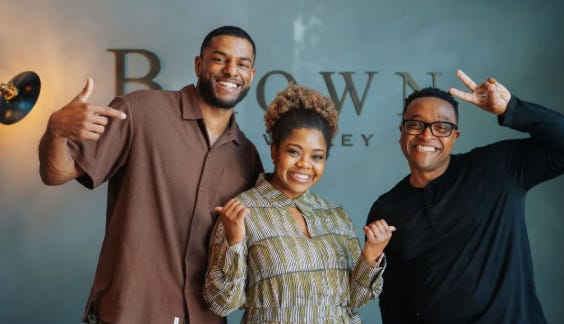
Brown Estate represents the first Black-owned estate winery in Napa Valley. It was founded in 1995 by siblings Coral, Deneen, and David Brown after their parents purchased the land in 1980. They’re known for proving that Black-owned wineries aren’t just about representation, they’re making outstanding wine. Also, their Zinfandel is considered one of Napa’s benchmark expressions. When I went to Napa a few years ago I made the terrible decision to NOT book a reservation at their tasting room, sadly there was a line around the corner. I did have the pleasure of tasting their Chardonnay at a wedding, and it was lightyears away from what your would expect from a California Chard. It was light, refreshing, and mineral forward.
Standouts:
Zinfandel (their flagship)
Chardonnay
Chaos Theory Red Blend
2. Maison Noir Wines (Oregon)
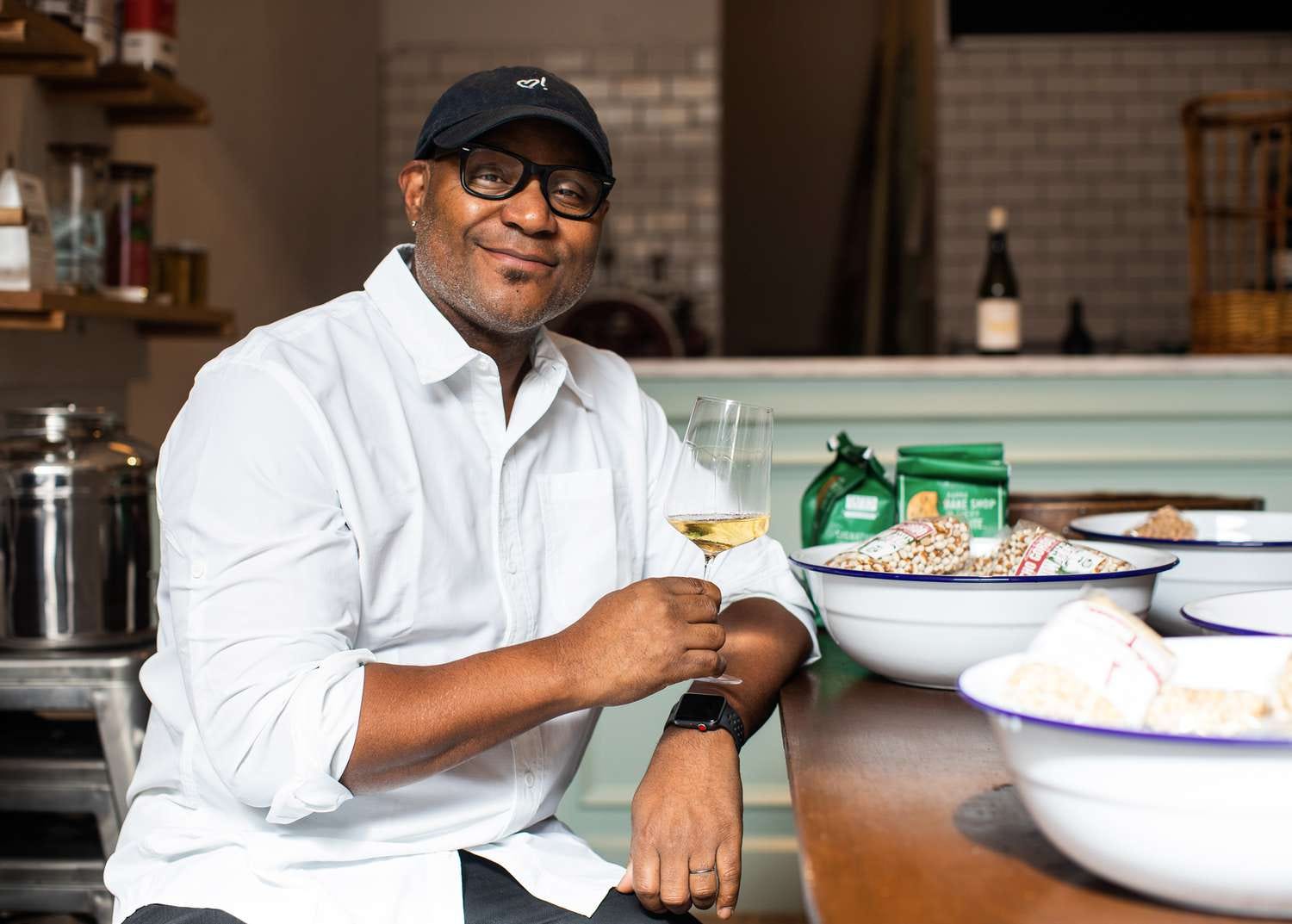
Maison Noir was founded by André Hueston Mack, a former head sommelier at Thomas Keller’s Per Se and former wine buyer for The French Laundry. He is a BIG deal in the wine world. I first discovered him on TikTok and loved how easy he was to relate to as such an accomplished wine expert. He really helped me study for my exam if I’m being honest, and he still inspires me today. One thing is clear about this man, he knows his wine. I would trust him with any pour. I haven’t had the pleasure of really digging deep into his brand, but again, he’s the real deal so I can almost guarantee the wine is amazing. Also, you have to love the way he names his wine. Here are some recommendations I found on r/wine.
Standouts:
O.P.P. Pinot Noir
Knock on Wood Chardonnay
Horseshoes & Handgrenades
3. Longevity Wines (Livermore Valley, CA)
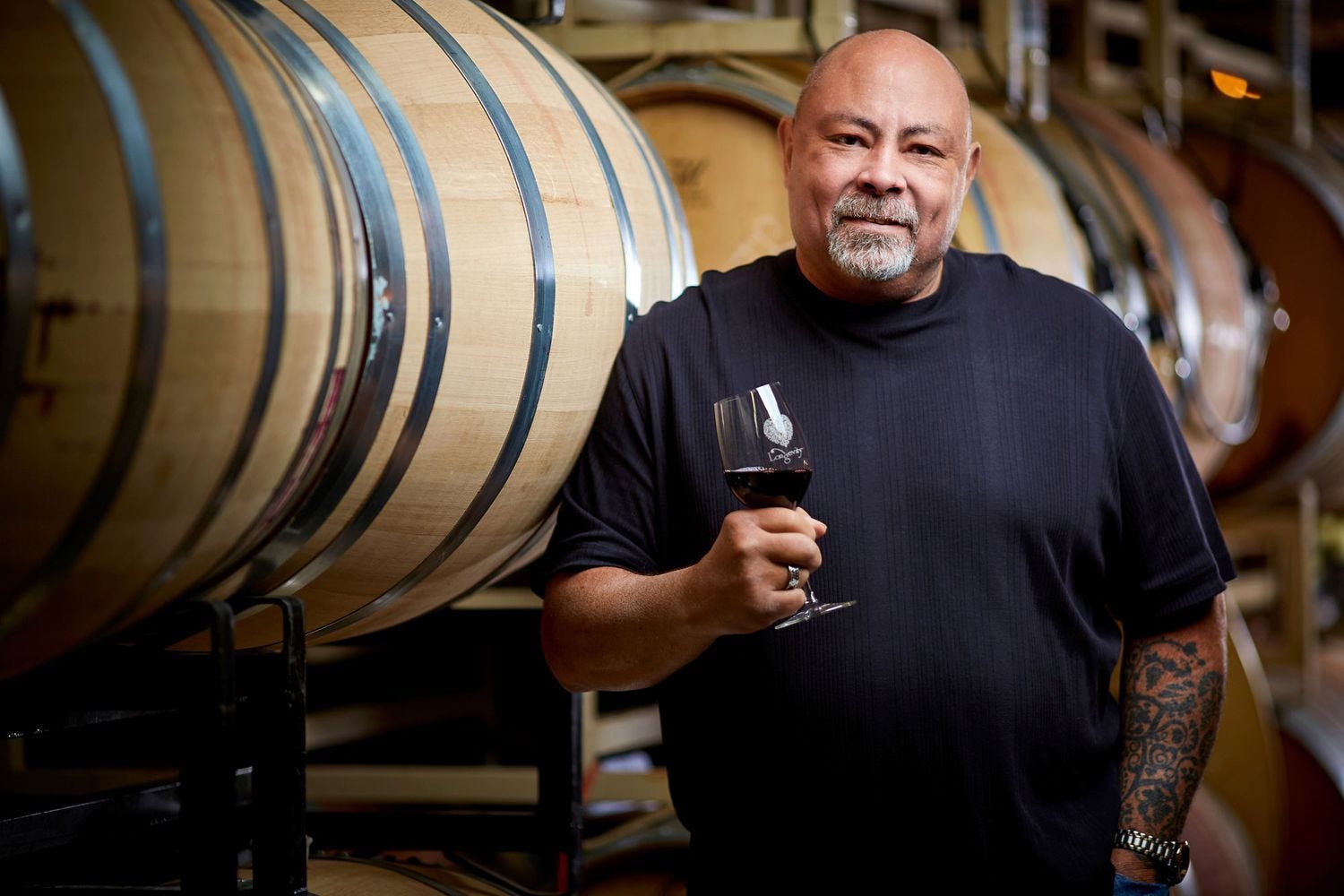
I love the story behind this one, it was started in 2008 by Phil Long and his wife, Debra. It was a hobby that turned into a living for the couple, in 2016 Debra passed away after a battle with cancer. The heart shaped logo for the brand was born out of the stained glass hearts Phil used to give his wife every Valentine’s Day. Everything about this brand feels like love. Today, Phil is the president of the Association of African American Vintners (AAAV) and his philosophy has never changed: “Wine is for everyone.” The brand is consistently praised for approachable, food-friendly wines.
Standouts:
Chardonnay
Cabernet Sauvignon
Rosé
4. Theopolis Vineyards (Yorkville Highlands, CA)
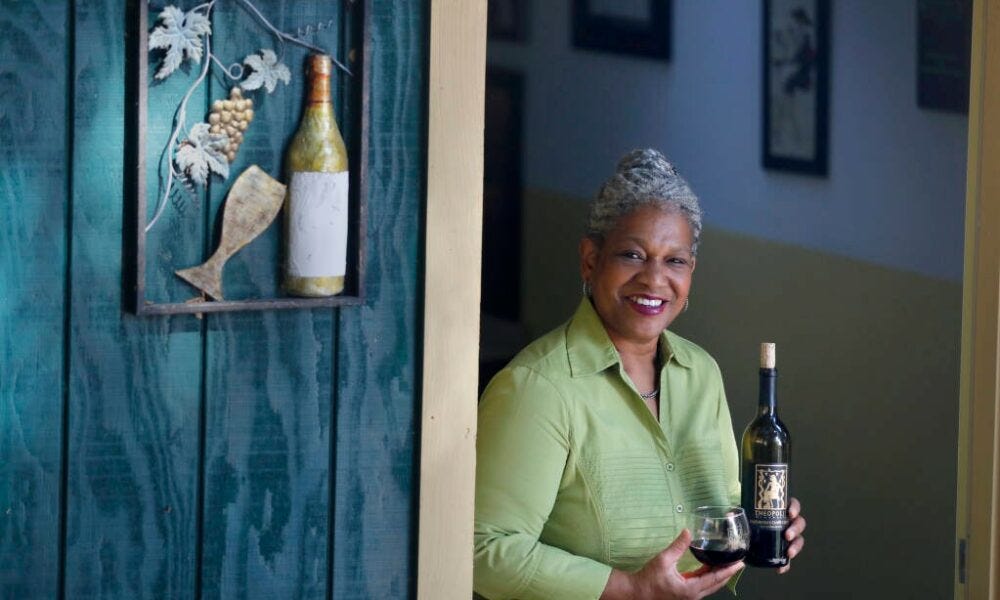
Founded by Theodora Lee aka Theo-patra, Queen of the Vineyards, who by day is a trial attorney and by passion is a deeply inspired winemaker. Whew, Black women. And in true fashion, she’s not doing anything half way, most (if not all) of their wine is award winning and earns 90+ points according to Wine Enthusiast.
Standouts:
Petite Sirah
Symphony
Pinot Noir
5. Stuyvesant Champagne
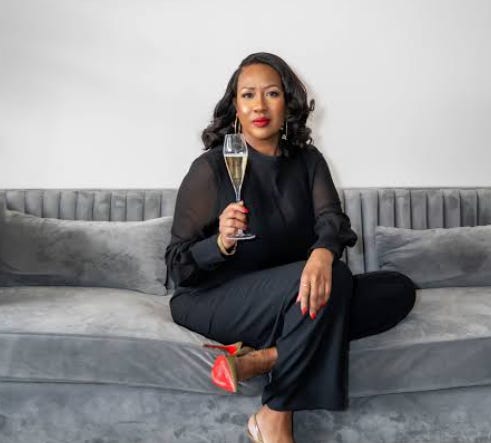
This one is cheating just a little bit, the brand isn’t produced in the U.S., it’s Champagne from France, but it’s an American Black-owned luxury brand sourcing from Champagne and founded by Marvina Robinson. I’ve had it and honestly, it’s fantastic Champagne. It really doesn’t make sense for us to be drinking Ace of Spades anymore when you can get fantastic, similar quality for almost a quarter of the price, sorry Jay-Z. Here’s how they describe themselves:
B. Stuyvesant is more than just a sparkling wine; it’s a transformative experience that seamlessly merges tradition and innovation. Rooted in the prestigious Champagne region of France, our champagne is meticulously crafted using the time-honored méthode champenoise, preserving the legacy of centuries of winemaking excellence. What truly distinguishes B. Stuyvesant is our unwavering commitment to inclusivity and diversity. As a woman-owned business, we bring a unique perspective to the champagne industry. Our brand represents the celebration of empowerment, authenticity, and the belief that champagne should be accessible to everyone, regardless of background or status. The name “B. Stuyvesant” pays homage to the Brooklyn neighborhood where our founder, Marvina Robinson, was born and raised. It’s a reminder that greatness often begins in unexpected places.
Standouts:
Blanc de Blancs
Prestige Rosé
Cuvee Reserve Brut
6. Abbey Creek Vineyard (Oregon)
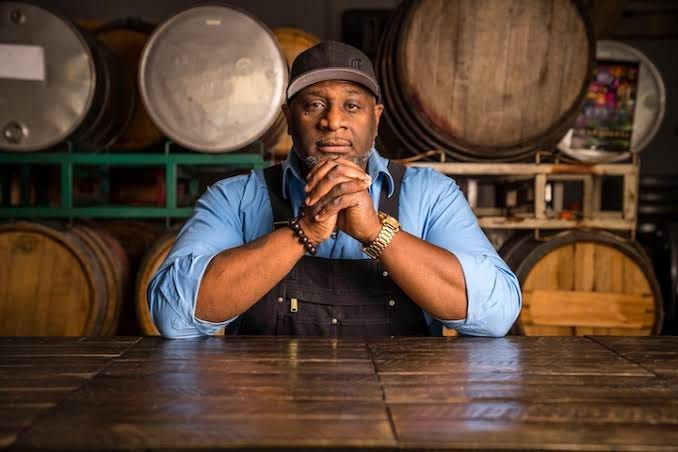
“It’s great that I’m the first but what’s most important is that I’m not the last.” Founded by Bertony Faustin in 2008 , Abbey Creek is the first recorded Black winemaker in Oregon. He came from Haiti and built the winery while working as a hospital nurse. He faced many challenges, including those associated with being a winemaker such as weather, soil etc, but in addition to that he faced some systematic racism by way of being the first. Faustin attributes his immigrant spirit for keeping him going and creating amazing wine in the process.
Standouts:
Pinot Noir
Pinot Gris
7. Pur Noire Urban Wineries (Houston, TX)
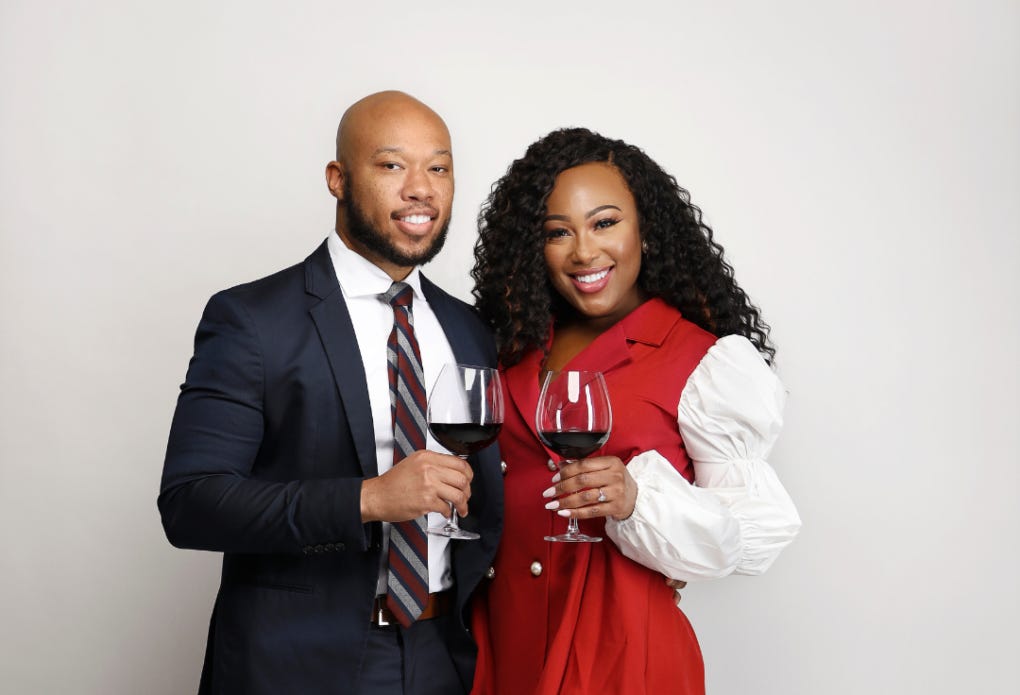
Founded by Carissa Stephens and her husband Ray, they focus on making wine more inclusive and bringing wine culture into urban communities. According to Travelnoire, the couple’s shared love of wine blossomed during a vacation in Todi, a town perched on a hilltop in Umbria, Italy. They see their purpose as a community builder in Houston, while still respecting and honoring the culture. I haven’t had a chance to try their stuff, made entirely of California grapes, but their tasting room looks like a VIBE. I will be stopping by the next time I’m in Houston.
Standouts:
Honorable Mentions
McBride Sisters: You probably already know #BlackGirlMagic wine, it’s a wonderful companion for a pool party or bring their rosé to your next cookout. I’m also very excited to try some of their new varietals, I’ll report back!
Wondry Wines: A new brand, fresh off their Shark Tank run. The varietals are very playful and worth a try.
Michael Lavelle: I know this brand well, they are excellent and very small batch, their Chenin Blanc (freezing cold) was my favorite for years.
What’s in my Glass: Lubanzi Chenin Blanc
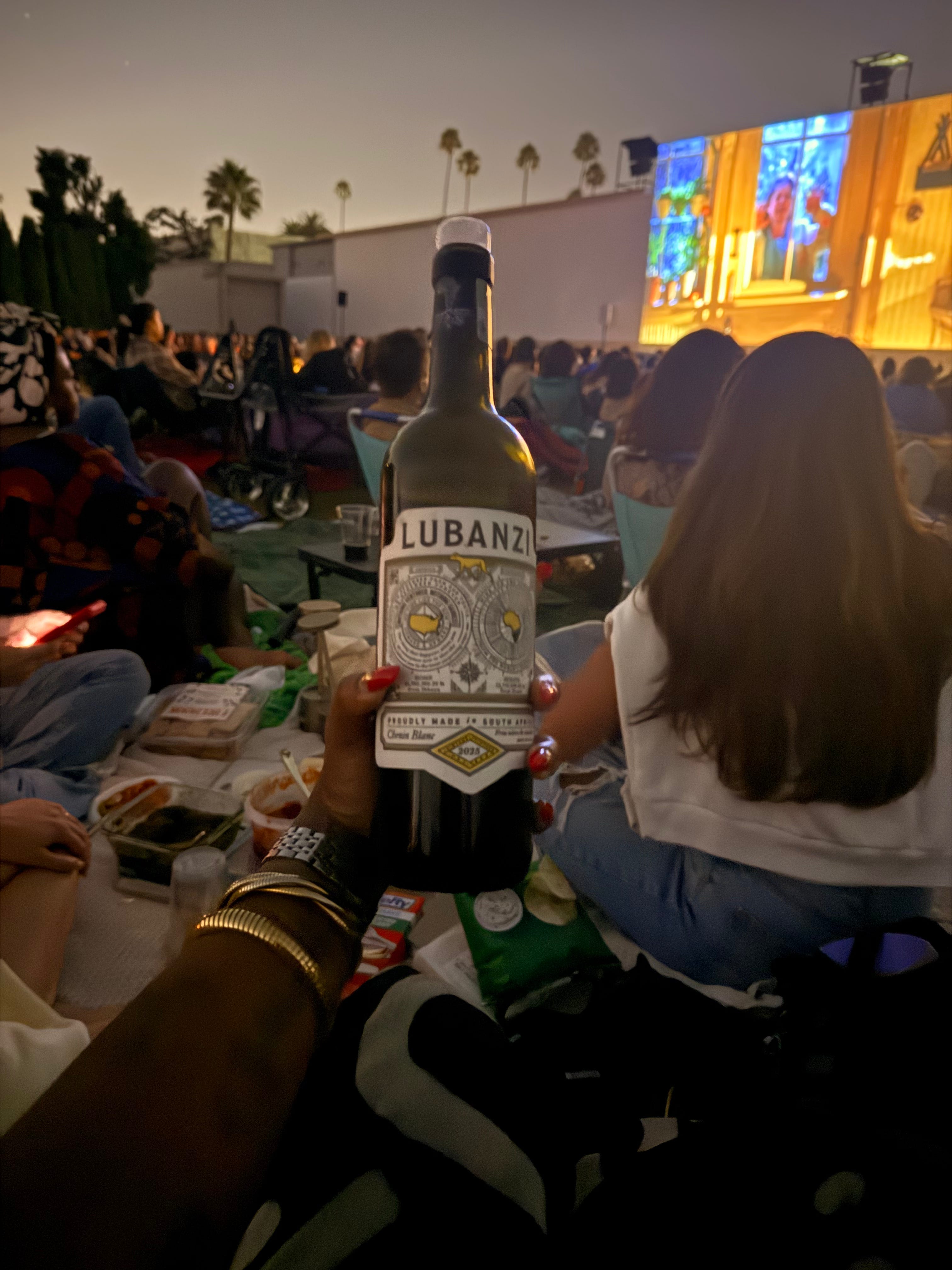
I promise you I didn’t plan this, Swartland was always planned for this week! It just so happens that I was gifted this Chenin Blanc a few weeks ago and grabbed it on my way out the door to watch Practical Magic in the cemetery. I didn’t even look at the label, I was running late - I guess it’s the witch in me. But, of all the wine that was brought that evening, this one was the clear winner. First, when you smell it, you get honey mixed with citrus, then at first taste it’s noticeably more weighted than your typical Chenin Blanc. However, it’s complex with flavors of ripe summer melon, white peach, and lemon peel. I immediately said to myself: “we come to this place for magic,” but that also could’ve been because Nicole Kidman and Sandra Bullock popped in to introduce the film (!). But, in all seriousness, it had a soulful quality to it and all the flavors mixed together reminded me of a cauldron, or maybe an elixir. It was fantastic, and as it warmed up (it was 85 degrees), it seemed to open up even more. It’s priced between $15-20 and sold basically everywhere, you can learn more about it here. But promise me, if you are planning to do any seances or dancing under the moon this summer please bring this along, and also please invite me.